2026 Best CNC Lathe Collet Buying Guide for Global Buyers?
In the ever-evolving landscape of manufacturing, understanding the significance of CNC lathe collets is crucial. As industry expert, John Thompson, once stated, “The right collet makes all the difference in precision and efficiency.” Choosing the proper CNC lathe collet can drastically improve machining accuracy. This guide aims to help global buyers navigate their options.
CNC lathe collets are essential tools ensuring workpieces are held securely. The right fit enhances performance in various applications. However, the market offers a plethora of choices, and buyers often feel overwhelmed. The complexity of material selection, size variations, and compatibility issues can lead to unnecessary errors in manufacturing processes.
It's essential to reflect on the potential pitfalls when selecting CNC lathe collets. Many buyers may focus solely on price, neglecting quality and compatibility. This eventual oversight can result in additional costs and downtime. Understanding the unique needs of your machining processes is vital for making informed decisions.
Understanding CNC Lathe Collets: Types and Functions
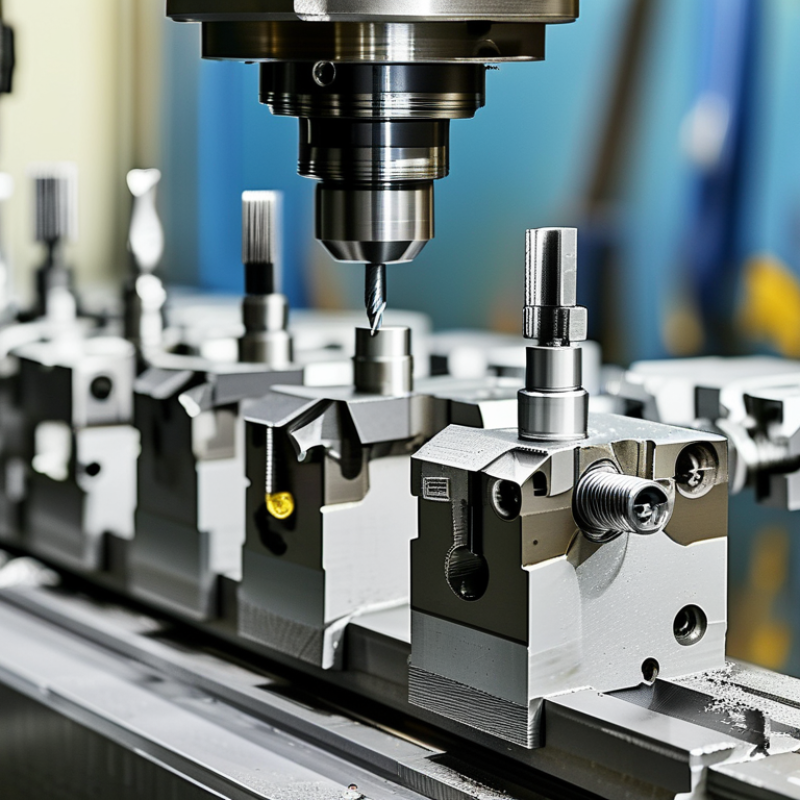
CNC lathe collets are essential tools for precision machining. They securely hold workpieces, ensuring accuracy during the manufacturing process. There are several types of collets, each designed for specific applications. Common types include ER collets, SC collets, and 5C collets. Each type features unique shapes and sizes, making them suitable for various tasks.
Understanding the functions of collets is crucial. They provide not just gripping strength but also flexibility. For example, ER collets excel in versatility, accommodating different tool diameters. This adaptability allows machinists to switch tools quickly. However, improper handling can lead to inaccuracies and tool wear. Regular checks can help maintain their performance.
Machining can be unpredictable. Collet performance might vary depending on the material and cutting conditions. For instance, softer materials require different gripping techniques than hard metals. Experimenting with collet styles can lead to better outcomes. Continuous learning helps one adapt to these variables. Careful observation of results offers valuable insights for future projects.
Key Factors to Consider When Buying CNC Lathe Collets
When buying CNC lathe collets, quality is paramount. Collets are crucial for precision machining. According to industry research, nearly 30% of machining errors stem from inadequate clamping. High-quality collets provide better gripping and enhance accuracy. These attributes lead to improved product consistency and reduced waste, which is vital for maintaining a competitive edge.
Compatibility is another key factor. Ensure that the collet fits your lathe model perfectly. Mismatched sizes can lead to vibration and inaccurate machining. A report by the Precision Machining Institute shows that 20% of production downtimes are due to tool incompatibility issues. Selecting the right size not only ensures reliability but also enhances productivity.
Material choice also influences performance. Collets made from high-strength alloy steel typically offer better durability. They can withstand high pressures and provide a longer service life. Some manufacturers employ advanced treatments for surface hardness. However, not all options deliver the same level of performance. Buyers need to evaluate their machining needs carefully to avoid unnecessary costs or subpar results.
2026 CNC Lathe Collet Features Comparison
This chart illustrates the customer ratings for various key factors to consider when purchasing CNC lathe collets in 2026. Precision and durability are rated the highest, indicating their importance in the decision-making process.
Top Brands and Their CNC Lathe Collet Offerings for 2026
In 2026, the market for CNC lathe collets is projected to continue its growth, driven by advancements in manufacturing technologies. According to recent industry reports, the CNC machine tools market could reach a valuation of $100 billion by 2026. This presents an opportunity for buyers to explore diverse collet options tailored to specific machining needs.
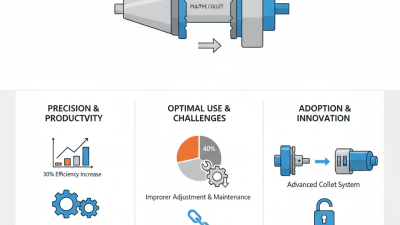
Leading manufacturers now offer a range of collets that emphasize precision and durability. Collets are crucial for maintaining accuracy in CNC lathes. A study from the International Journal of Advanced Manufacturing Technology indicates that a well-chosen collet can improve machining efficiency by up to 30%. This statistic highlights the importance of understanding collet specifications and compatibility with machinery.
Despite the growth prospects, buyers often struggle with choices. Many collets feature different materials and design specifications. Each variation may suit different machining scenarios, but this can lead to confusion. Such challenges remind us to carefully evaluate options based on the specific requirements of a project rather than brand reputation alone. It emphasizes the need for informed decisions based on reliable technical data and operational assessments.
Maintenance Tips for Prolonging the Life of CNC Lathe Collets
Maintaining CNC lathe collets is crucial for optimal performance. Proper care can significantly extend their lifespan. Research indicates that regular maintenance practices can improve the durability of these components by up to 50%. Users often overlook simple cleaning processes that should be part of a routine. Dust and debris can affect grip strength, leading to inaccuracies in machining.
Tips: Clean collets with a soft brush after each use. Inspect for wear and replace if needed. Regular checks avoid expensive downtime.
Additionally, proper storage of collets can prevent deformation. Placing them in a controlled environment is vital. Humidity and temperature fluctuations can alter materials. Industry data suggests that maintaining a stable environment can reduce failure rates by 30%. Users should also consider lubricating collets periodically to maintain smooth operation.
Tips: Store collets in their original packaging. Use moisture-absorbing materials to prevent rust. Always check for alignment before use.
Common Mistakes to Avoid When Selecting CNC Lathe Collets
When selecting CNC lathe collets, many buyers make common mistakes that can lead to operational inefficiencies. One frequent error is not considering the material of the collet. Different materials can affect the grip strength and precision. Choosing a collet made from inferior material may compromise the quality of your work. It's vital to match the collet material with the intended application for better performance.
Another mistake is overlooking the collet size and compatibility with the lathe. Buyers often assume that all collets can fit any machine, which is incorrect. Incompatible collets can lead to vibration and inaccuracies. It's essential to verify both the size and type of collet that your CNC lathe requires. Failing to do this can result in wasted time and resources.
Buyers sometimes neglect the importance of checking the collet's gripping range. A collet with a narrow gripping range may not accommodate all tool sizes effectively. This limitation could hinder your production flexibility. Inadequate research before purchasing can also lead to regret later. Proper knowledge and attention to detail can prevent these pitfalls.