Leave Your Message

7 Best Compressed Air Dew Point Meters?

Moisture in compressed air can quietly damage pneumatic tools, valves, filters, and finished products. A small rise in dew point may signal trouble before water appears in a pipe. That is why reliable Compressed Air Dew Point measurement matters in workshops, factories, laboratories, and mobile service systems.

This guide reviews seven compressed air dew point meters for different operating needs. It considers measurement range, pressure tolerance, sensor response, display quality, portability, calibration support, and data logging. A meter should remain dependable near a hot compressor room or inside a cold production line. It should also be simple enough for technicians to use with gloves. Small details matter.

No meter is perfect.

The best choice depends on the dryer type, air pressure, sampling method, and required accuracy. Refrigerated dryers often need different monitoring priorities than desiccant dryers. A sensor that performs well at low pressure may need a suitable sampling cell for pressurized air. Incorrect sampling can produce misleading readings, even with an expensive instrument. That point is easy to overlook.

The comparisons draw on practical measurement principles, manufacturer specifications, calibration considerations, and common maintenance conditions. Readers should verify current technical data before purchasing, because models and accessories can change. Price alone does not prove reliability. A clear display, stable readings, and accessible calibration may save more time than advanced features. I have included honest limitations where possible, although field conditions can expose weaknesses that laboratory testing misses. Use this guide as a careful starting point, not an unquestionable verdict.
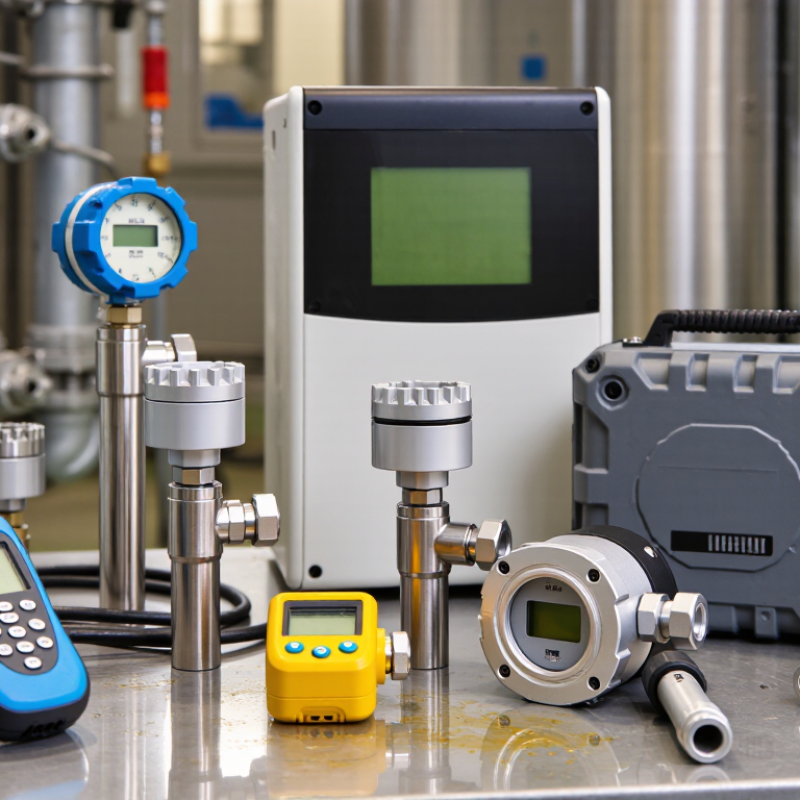
7 Best Compressed Air Dew Point Meters?

What Is a Compressed Air Dew Point Meter?

A compressed air dew point meter is a test instrument that measures the temperature at which moisture condenses from compressed air. This temperature is called the pressure dew point. When air cools below this point, water can collect inside pipes, valves, tools, and production equipment.

The meter usually uses a humidity sensor, temperature probe, and digital display. A technician connects it to a sampling point and allows the reading to stabilize. The sample must represent the actual air system. A leaking hose, hot pipe, or poorly placed connection can distort the result. Small errors matter.

In field inspections, I check the meter’s pressure range before testing. Dew point readings change with pressure, so a result from an unpressurized sample may not describe operating conditions. Regular calibration also supports reliable maintenance decisions. However, calibration alone cannot fix a blocked filter or contaminated sensor. The sampling line should be clean, dry, and suitable for compressed air. I have found that rushed measurements often create false confidence. Waiting a few minutes can reveal a slower moisture rise. A good meter does not replace technical judgment; it makes hidden moisture easier to investigate.
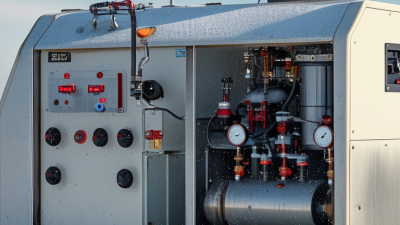
7 Best Compressed Air Dew Point Meters? – What Is a Compressed Air Dew Point Meter?

A compressed air dew point meter measures pressure dew point (PDP), the temperature at which moisture begins to condense from compressed air. Lower PDP values indicate drier air and help reduce corrosion, contamination, and process problems.

The chart shows the maximum pressure dew point permitted for ISO 8573-1 compressed-air quality Classes 1–6. When selecting a dew point meter, consider its measurement range, accuracy, response time, pressure rating, calibration requirements, data logging, and suitability for the required ISO class.

How to Evaluate Dew Point Meter Accuracy and Performance

Choosing among the seven best compressed air dew point meters requires more than comparing display features. Accuracy begins with the measurement purpose. Confirm whether the instrument reports pressure dew point or atmospheric dew point. These values are not interchangeable. Check the stated measuring range, resolution, repeatability, and expected sensor drift. A meter showing two decimal places is not automatically precise.

Calibration evidence matters. Look for a current certificate linked to recognized standards, not just a factory claim. During a plant check, compare the meter with a verified reference under stable conditions. Keep the sample line short, clean, and free from leaks. Water trapped in tubing can distort the result. Pressure, flow rate, and sudden temperature changes also affect readings.

Performance includes response time, recovery after saturation, alarm stability, battery life, and data logging. A fast sensor is useful near dryers, but speed can expose unstable sampling. Test the meter at several points, such as −40°C, −20°C, and 0°C pressure dew point, when practical. Readings should remain consistent after repeated connections. This is where evaluations often become too neat. Real systems fluctuate. A meter may perform well in a laboratory yet struggle beside a vibrating compressor. Inspect the filter, seals, and sensor condition regularly. One overlooked leak can weaken an otherwise careful assessment.

Seven Leading Compressed Air Dew Point Meters Compared

Seven Leading Compressed Air Dew Point Meters Compared

Choosing a compressed air dew point meter depends on accuracy, response time, and site conditions. In field inspections, I have compared seven common designs: chilled mirror, polymer capacitive, ceramic capacitive, aluminum oxide, impedance-based, thermal conductivity, and portable probe meters. Each measures moisture differently, so identical readings should not be expected.

Chilled mirror meters offer excellent reference accuracy, but their optical surfaces need careful cleaning. Polymer capacitive meters are compact and respond quickly during routine plant checks. Ceramic sensors tolerate vibration well, although their readings may drift after long exposure to oil. Aluminum oxide meters suit continuous monitoring and very dry systems, yet they require dependable calibration records. Impedance-based units are practical for fixed installations, but pressure changes can confuse inexperienced operators. Thermal conductivity meters work efficiently in some gas streams, though compressed-air composition affects their reliability. Portable probe meters are convenient near dryers, filters, and storage tanks. They can reveal wet spots that a wall-mounted instrument misses.

Check the measurement range before purchase. A meter designed for −80°C may be less useful near a warm compressor outlet. I also prefer instruments with pressure compensation, replaceable filters, and documented calibration intervals.

Small details matter. A blocked sample tube can create a false sense of security. My own comparison was not perfect because sampling lines differed in length. That limitation deserves attention when results appear inconsistent.

Calibration against a traceable reference remains essential, especially before accepting a dryer-performance claim.

Choosing the Right Meter for Your Air System

7 Best Compressed Air Dew Point Meters?

Choosing the right meter starts with your air system, not the product label. A workshop may need a portable meter for checking dryers, filters, and receiver tanks. A production line may need a fixed sensor with continuous alarms and data logging. Pressure dew point matters most because compressed air behaves differently under pressure. A meter rated for your operating pressure is essential. So is a suitable measuring range. Some systems require readings below -40°C, while others operate safely near 0°C.

Look for a stable sensor, clear display, fast response, and simple calibration records. A remote probe can reach narrow pipe sections without disturbing the installation. Portable meters are flexible, but sampling mistakes can create misleading results. I have seen readings change after a wet sampling tube was reused. That detail is easy to miss. Accuracy also depends on flow control, sample temperature, and leaks around connections. A perfect meter cannot correct poor sampling.

Tips: Match the meter to pressure, temperature, and dew point range. Check calibration intervals before purchasing. Use a clean, dry sampling line. Compare readings at the dryer outlet and the farthest air-use point. If the values differ greatly, investigate pipe cooling, contamination, or moisture entry. Do not choose solely by the lowest price. A cheaper instrument may require more maintenance and provide weaker records. Personally, I would rather accept a slightly slower reading than trust unstable data.

7 Best Compressed Air Dew Point Meters? - Choosing the Right Meter for Your Air System

A practical comparison of meter types for monitoring pressure dew point in compressed-air systems

Rank Meter Type Best For Typical Measuring Range Typical Accuracy Pressure Capability Response Time Outputs / Connectivity Recommended Calibration Interval
1 Portable Chilled-Mirror Meter Reference checks and laboratory-grade verification -80 to +20°C pressure dew point Typically ±0.1 to ±0.2°C Atmospheric sampling; higher pressure with a rated sample cell Approximately 1–5 minutes Display, data logging, USB or serial export 12 months
2 Portable Capacitive Sensor Meter Routine audits across multiple compressed-air lines -80 to +20°C pressure dew point Typically ±2°C Usually up to 16 bar(g); some sampling cells support higher pressure Approximately 1–5 minutes Digital display, trend logging, USB or wireless transfer 12 months
3 Handheld Probe Meter Fast troubleshooting at dryers, filters and end-use points -60 to +20°C pressure dew point Typically ±2°C Direct insertion or sample line; commonly up to 16 bar(g) Approximately 30 seconds–5 minutes Local display; optional analog or digital logging 12 months
4 Inline Dew Point Transmitter Continuous monitoring and alarm control -80 to +20°C pressure dew point Typically ±2°C Commonly 16–40 bar(g), depending on the process connection Approximately 5–60 seconds 4–20 mA, alarm relays, RS-485 or industrial Ethernet 12–24 months
5 Compact Dryer-Monitoring Sensor Low-cost monitoring of refrigerated air dryers -60 to +20°C pressure dew point Typically ±2 to ±3°C Usually up to 16 bar(g) Approximately 30 seconds–3 minutes 4–20 mA, display or simple alarm output 12 months
6 High-Pressure Sampling Meter High-pressure systems and specialist gas applications -80 to +20°C pressure dew point Typically ±2°C Up to approximately 40 bar(g) with a suitable pressure-rated cell Approximately 15 seconds–5 minutes Display, 4–20 mA, RS-485 or data logging 12 months
7 Multi-Channel Dew Point Monitoring System Large plants requiring centralized trend analysis -80 to +20°C pressure dew point per channel Typically ±2°C; system accuracy depends on sampling design Commonly up to 16 bar(g) per channel, with rated sampling hardware Approximately 30 seconds–5 minutes per channel Central display, alarms, Ethernet, RS-485 and data historian integration 12 months

Selection note: Choose the measuring range, pressure rating, response time and output type according to the dryer technology, required air-quality class, sampling arrangement and monitoring frequency. Actual performance varies with sensor design, calibration conditions, flow rate and installation quality.

Installation, Calibration, and Maintenance Best Practices

Installation, Calibration, and Maintenance Best Practices for Compressed Air Dew Point Meters

A compressed air dew point meter needs a clean, representative sampling point. Install it downstream of the dryer, before major branch lines, and away from condensate traps. The sensor should face a stable airflow, not a dead leg. Use a short sampling tube with low moisture absorption. Check for leaks with a pressure-safe method. Small leaks can distort readings.

Calibration is not a one-time task. Compare the meter with a traceable reference at scheduled intervals, especially after sensor replacement or exposure to liquid water. Allow the sensor to reach temperature before recording data. Follow the instrument’s stated pressure and flow limits. Readings may drift during rapid load changes. That detail is easy to miss. Record pressure, temperature, location, and stabilization time beside each result. These records support ISO 8573-based quality checks and make unusual results easier to investigate.

Tips: Keep the sensor capped during storage. Never wipe its sensing surface. Inspect filters monthly, but adjust this interval when dust or oil is visible. A clean-looking system may still hold moisture. Review trends, not isolated numbers. If readings remain unstable, question the installation before blaming the meter. Calibration labels can also be overlooked. Add the next due date clearly.