Best Compressed Air Filter Options for Your Application?
Compressed air systems are essential for various industries. However, they can be vulnerable to contamination. This is where the compressed air filter comes into play. A reliable filter removes moisture, dirt, and oil from the air supply. It ensures that your equipment operates efficiently and extends its lifespan.
Choosing the right compressed air filter can be challenging. There are many options available. Each type has its unique features and benefits. For instance, some filters target specific contaminants. Others offer broader filtration capabilities. It’s crucial to match the filter to your specific application needs. This decision can save time and money in the long run.
Many users overlook the importance of maintenance. Filters require regular checks and replacements to perform optimally. Neglecting this can lead to poor air quality. It might also cause damage to machinery. Ultimately, understanding your options ensures you select an effective compressed air filter. Investing time in this choice pays off in enhanced performance and reliability.
Understanding the Importance of Compressed Air Filters in Applications
Compressed air filters play a critical role in various industrial applications. They ensure that the air used in processes is clean and free of contaminants. According to a recent study by the Compressed Air and Gas Institute, up to 70% of pneumatic system failures can be traced back to contaminated compressed air. This statistic highlights the importance of investing in high-quality filters.
Effective filtration can significantly improve the efficiency of machinery. It prevents wear and tear caused by particles, moisture, and oil. A study found that even small amounts of oil can reduce the efficiency of pneumatic tools by 30%. This inefficiency not only impacts production but also raises maintenance costs. Regular filter changes and proper monitoring can help maintain optimal performance levels.
Many facilities overlook the need for a regular maintenance schedule. While filters may appear clean, they can be less effective over time. Neglecting this aspect can lead to bigger, costly issues down the road. Understanding this can prompt a reevaluation of existing filtration systems, ensuring they meet the evolving demands of industry standards.
Types of Compressed Air Filters and Their Specific Uses
Compressed air filters are essential for maintaining system efficiency. Various types are designed for specific applications. Understanding these types helps in selecting the best one for your needs.
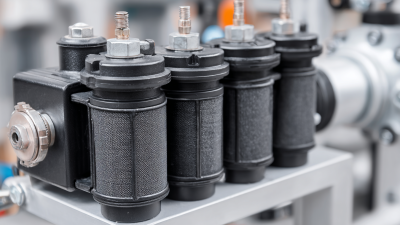
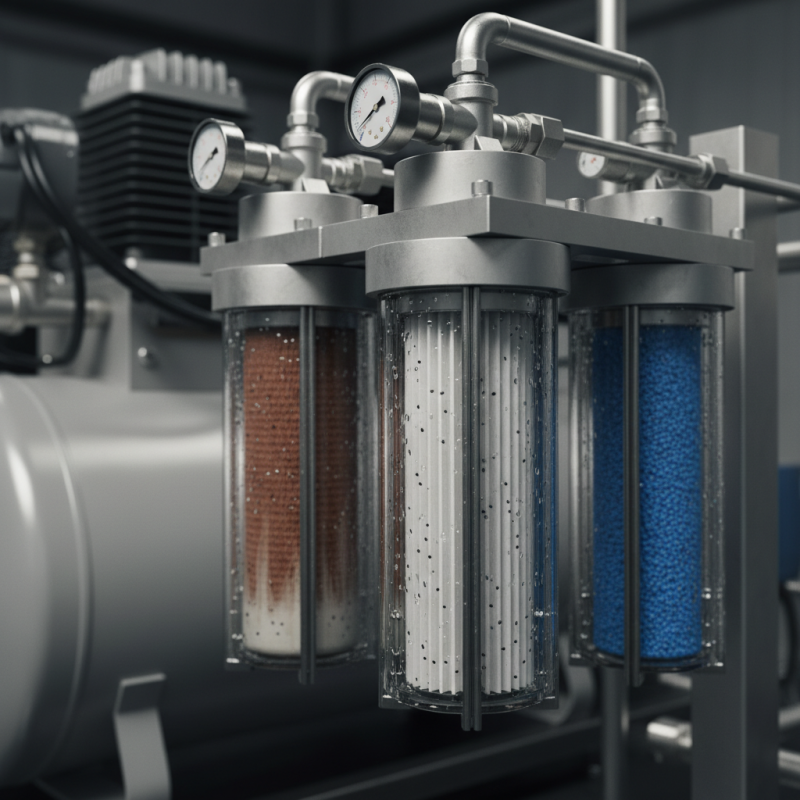
Particulate filters remove solid particles like dust and dirt. They are crucial in environments where air quality is vital. These filters often include a simple mesh or multilayer design. Regular checks are necessary to ensure they function effectively. Without maintenance, performance can degrade over time.
Coalescing filters target water and oil vapors. They are perfect for applications where moisture is detrimental. These filters work by forcing air through fine fibers, capturing droplets. A challenge is that they can be less effective in high humidity conditions. Users should regularly assess their water removal efficiency.
Activated carbon filters address odors and volatile organic compounds. They are vital in paint spraying and food processing. However, they require frequent replacement to avoid saturation. This can lead to increased operational costs if overlooked. Keeping track of maintenance schedules can mitigate these issues.
Key Factors to Consider When Choosing a Compressed Air Filter
When selecting a compressed air filter, it’s essential to consider various factors. The filter's efficiency significantly impacts the overall system performance. A filter with a high dirt-holding capacity can extend service intervals. However, a balance must be struck between filtration quality and maintenance frequency.
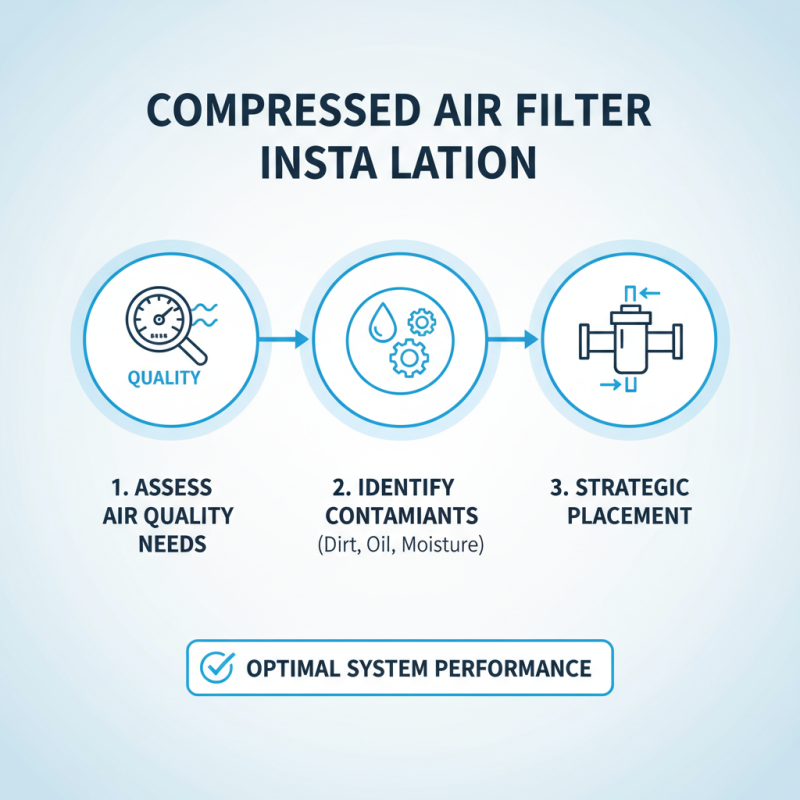
Another critical aspect is the size and type of contaminants you need to remove. Particles, moisture, and oil contaminants all require different approaches. Understanding the specific needs of your application can lead to better filtering solutions. Think about the operating environment as well. Conditions like temperature and humidity can influence filter performance, sometimes negatively.
Installation and system compatibility also matter. A filter may fit well but underperform if not compatible with existing systems. This mismatch can sometimes lead to increased downtime. It's essential to reflect on these elements before making a final choice. Taking time to evaluate details can prevent costly mistakes later.
Top Compressed Air Filter Brands and Their Product Offerings
When selecting compressed air filters, brand reputation matters significantly. Several top manufacturers dominate the industry. They offer various filter solutions, addressing contamination removal at multiple levels, from particulate to vapor. Top brands typically provide filters designed to eliminate particles as small as 0.01 microns. Contaminated air can lead to equipment failure, costing companies thousands in repairs and downtime.
Several industry reports highlight the efficiency of these filters. For instance, a well-regarded report noted that using high-quality air filters can enhance system efficiency by up to 25%. This translates to substantial savings in energy consumption and improved filter longevity. Many brands offer options with ISO Class 1 air purity, which is essential for sensitive applications, like pharmaceuticals and food processing.
However, selecting the right filter is not always straightforward. Misalignment with specific application needs can result in performance issues. It's crucial to assess the airflow requirements and the environment in which the filter will operate. Inadequate filtration can lead to increased maintenance and operational costs. Organizations often overlook this aspect, leading to less effective setups and higher overall expenses. The mismatch can hinder productivity and impact product quality.