2026 Best Gas Air Compressor Options for Your Needs?
In the world of tools and machinery, the Gas Air Compressor stands out for its versatility and power. Whether you're a DIY enthusiast or a seasoned professional, choosing the right compressor is crucial. It can significantly impact your efficiency and productivity. With many models available, finding the best options for your needs may seem daunting.
The benefits of a Gas Air Compressor include mobility and a robust performance. Unlike electric models, gas-powered compressors can operate in remote areas without needing an outlet. This feature is especially important for construction sites and outdoor projects. However, potential buyers should consider factors like noise, weight, and maintenance requirements.
Navigating the market can be challenging. You may feel overwhelmed by the variety of choices. It is essential to reflect on your specific requirements before making a decision. The right Gas Air Compressor can enhance your projects, but the wrong choice might lead to frustration. Thus, understanding your needs and carefully evaluating your options is key to a successful purchase.
Overview of Gas Air Compressors and Their Applications
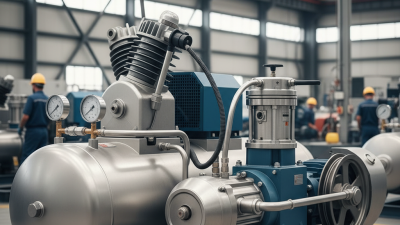
Gas air compressors are essential tools for many applications. They provide power for various tasks, from inflating tires to operating pneumatic tools. These compressors are favored in situations where electricity is unavailable or impractical. They excel in outdoor settings, such as construction sites and farms, where portability is critical. With their robust design, gas compressors can handle heavy workloads and are often used for automotive, woodworking, and manufacturing applications.
Despite their advantages, gas air compressors have some drawbacks. They can be noisy and require regular maintenance to ensure optimal performance. Users must stay aware of fuel levels and check for oil leaks. Additionally, emissions from gas compressors can raise environmental concerns. It's essential to consider these factors when selecting a gas air compressor for specific needs. Evaluating the balance between efficiency and environmental impact is vital for making informed decisions.
Key Features to Consider When Choosing a Gas Air Compressor
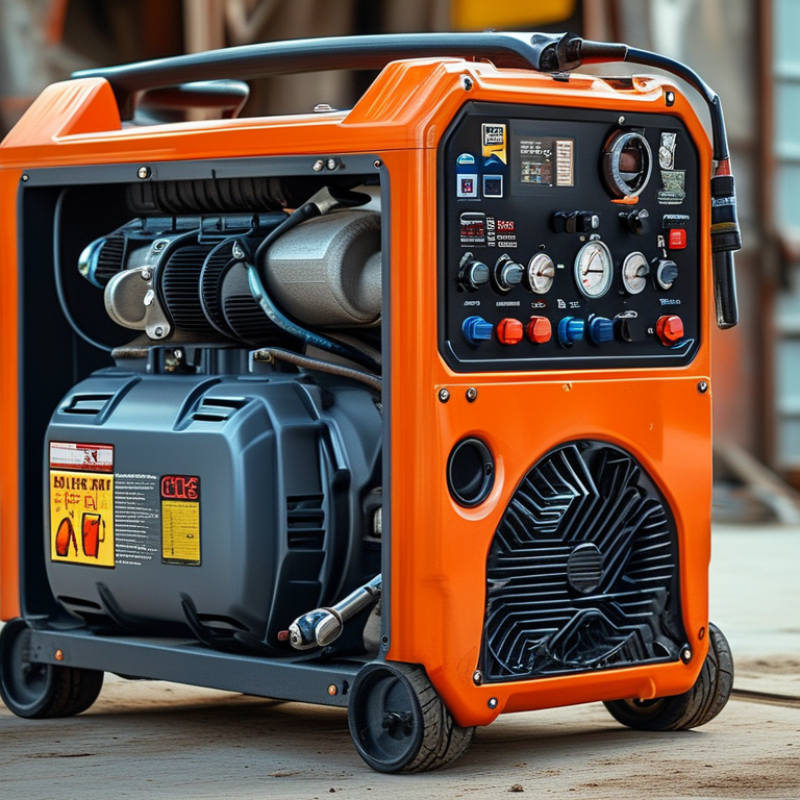
When selecting a gas air compressor, several key features should be top of mind. Portability is essential for many users. A lighter model with wheels can make transport easier, especially on job sites. Look for compressors with ergonomic handles and a compact design. This factor improves convenience and reduces physical strain during movement.
Pressure and tank size are critical attributes. Higher PSI ratings usually translate to better performance for tools like nail guns or spray guns. A larger tank means longer operational time before needing a refill. However, it’s a balance; a bigger tank makes the unit heavier. Users should evaluate the pressure needs versus their desired portability.
Noise levels often merit consideration, too. Many compressors run relatively loud. If working in residential areas, quieter models warrant attention. Checking noise ratings before purchase can prevent future complaints. Additionally, maintenance requirements should guide your choice. Accessible parts and clear instructions can ease upkeep pressures. Neglecting maintenance could lead to performance issues. Reflect on your needs and environment carefully to find the best fit for your specific tasks.
Top 5 Gas Air Compressors for Automotive and Industrial Needs
When selecting the best gas air compressors, it's essential to consider your specific requirements. The top five gas air compressors cater to both automotive and industrial needs. These machines provide powerful solutions for various tasks, from inflating tires to powering pneumatic tools. Understanding your typical workload helps in choosing the right capacity and durability.
Tips: Evaluate your work environment before purchasing. High-altitude locations may necessitate specific models. Noise level is crucial, especially in residential areas. Choose a model that balances power and quiet operation. Regular maintenance extends the lifespan of your compressor.
Think about portability if you plan to use the compressor across different sites. Some models offer wheels for easy transport. A solid warranty can also provide peace of mind, ensuring you're covered for unexpected repairs. Remember to consider fuel efficiency. It impacts your operational costs, especially over time. Be mindful of both performance and budget when making your selection.
Comparative Analysis of Performance Metrics in Gas Air Compressors
When evaluating gas air compressors, performance metrics play a vital role. These metrics often include PSI (pounds per square inch), CFM (cubic feet per minute), and tank capacity. A report from the American Society of Mechanical Engineers indicates that compressors with higher PSI ratings can deliver more power. This attribute is essential for heavy-duty applications like pneumatic tools.
CFM is equally important. High CFM ratings allow for quicker inflation and more efficient operation. Many industrial-grade models achieve between 10 to 30 CFM, making them ideal for tasks requiring sustained air pressure. However, some users report issues with compressor maintenance that can affect performance. Regular maintenance can prolong the life of these machines.
Tank capacity directly influences run time. Larger tanks usually mean fewer interruptions during operation. However, they can also lead to increased weight and reduced portability. Irregularities in design and build quality can lead to unexpected failures. Choosing the right model involves considering both the intended use and the potential downsides. The right balance will ultimately meet your operational needs and expectations.
Maintaining and Troubleshooting Gas Air Compressors for Longevity
Gas air compressors are essential for various tasks, from powering tools to inflating tires. To ensure these machines last, regular maintenance is key. Keep an eye on the oil levels and replace the oil as needed. Clean the air filter often to prevent dust buildup. Neglecting these tasks can lead to costly repairs and reduced efficiency.
Troubleshooting any issues early can save you time and money. Listen for unusual sounds during operation. They may indicate mechanical problems. Check for air leaks around hoses and fittings. Addressing these issues promptly will enhance performance and longevity.
Tips for maintaining your compressor:
- Keep it clean. Dirt can cause overheating.
- Always use the right fuel type. Wrong fuel may result in engine wear.
- Don’t overload the compressor. Follow the guidelines for optimal use.
Ignoring these tips can lead to bigger problems down the line. Stay proactive to keep your gas air compressor operating smoothly.
2026 Best Gas Air Compressor Options for Your Needs
This bar chart illustrates the maximum pressure ratings (in PSI) for various gas air compressors available in 2026, assisting users in selecting the right model for their specific needs.