Why Choose the Right CNC Lathe Collet for Your Needs?
Choosing the right CNC lathe collet is crucial for precision machining. According to a report by MarketsandMarkets, the global CNC lathe market is expected to reach $5.5 billion by 2025, illustrating significant growth in this sector. This emphasizes the growing importance of selecting high-quality collets that can enhance productivity and accuracy.
CNC lathe collets ensure that tools are securely held during operation. Poor choices can lead to inaccuracies, affecting overall production quality. Inadequate collet performance can result in wasted materials and time, highlighting the need for careful selection. A poorly fitting collet can increase vibration and reduce tool life, causing more downtime.
The importance of precision cannot be overstated. A well-chosen CNC lathe collet enhances machining performance and longevity of both tools and machines. Yet, many operators overlook this aspect. They often opt for convenience over suitability. Understanding the right specifications for your machining needs can significantly impact your profitability and output quality.
Understanding CNC Lathe Collets and Their Applications
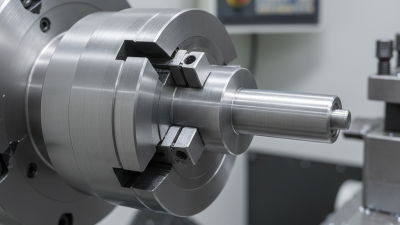
CNC lathe collets play a crucial role in precision machining. They hold workpieces securely during operation, ensuring consistent accuracy. The right collet can significantly affect the quality of finished products. According to a recent industry report, improper collet selection can lead to up to a 30% increase in machining errors. This highlights the importance of understanding various collet types and their specific applications.
Different materials used in collets can impact their performance. For instance, steel collets provide durability but may not offer the same clamping force as aluminum collets in lighter applications. It's also essential to consider the size and shape of the collet to match your machinery’s specifications. Neglecting these factors can lead to instability and inconsistencies during machining.
Tips: Always verify the collet specifications against your CNC lathe requirements. Regular maintenance of collets can also prolong their lifespan and improve performance. Pay attention to wear and tear. A well-maintained collet ensures better production quality and less downtime in your operations.
Key Factors to Consider When Choosing a CNC Lathe Collet
Choosing the right CNC lathe collet is crucial for precision machining. Several factors determine which one meets your specific needs. First, consider the material of the collet. Common options include steel, aluminum, and carbide. Each material affects durability and operational efficiency. Steel offers robustness, while aluminum is lighter, impacting speed and handling.
Next, think about the size and grip type. The collet's size should match your lathe's specifications accurately. An improper fit can lead to vibrations and reduced accuracy. Grip types play a significant role in workpiece stability. For instance, a collet with a strong grip is essential for precision tasks. A weak grip could cause slippage, affecting your final product.
Moreover, consider the design features. Some collets have self-centering abilities, ensuring uniform clamping force. This is vital for projects requiring tight tolerances. However, some users may overlook these details, leading to frustration later. Reflect on your machining needs before making a decision. Balancing these factors can improve your CNC operations significantly.
Different Types of CNC Lathe Collets and Their Benefits
When selecting a CNC lathe collet, understanding the different types can significantly impact your machining efficiency. Collets are designed to hold tools or workpieces securely and come in various styles, each catering to specific requirements.
For instance, ER collets are popular due to their versatility and wide range of sizes. They excel in gripping cylindrical objects tightly, ensuring precise machining. The design allows for rapid tool changes, which is crucial in high-production environments.
Another option is the 5C collet, well-suited for heavy-duty tasks. These collets can handle larger workpieces, making them ideal for steady, powerful operations. However, they require more setup time. This is a trade-off—while they offer reliability, the initial adjustment can be cumbersome. Additionally, you might consider DA collets for their ability to clamp at various angles. Their design promotes greater flexibility but can be less stable than other types.
Choosing the right collet involves careful thought. Each has its strengths and weaknesses. Your machine's specs, the materials involved, and the precision required all matter. The learning curve can be daunting. You'll likely face challenges, especially when adapting to a new collet type. Take the time to experiment. The right choice will enhance your machining results.
Industry Standards and Specifications for CNC Collets
Selecting the right CNC lathe collet is crucial for precision machining. Industry standards dictate the specifications one must consider. These standards ensure compatibility with various tooling, enhancing performance and reliability. Collets need to accommodate different diameters and shapes. It's essential to match the collet type with the intended application, whether for turning, milling, or drilling.
Understanding the specifications alone is not enough. Proper maintenance and inspection of collets are vital. Worn or damaged collets can compromise work quality. Regular checks can reveal subtle issues, like misalignment or wear patterns. These small details can significantly impact machining accuracy. Users should remain vigilant and reflect on their choices regularly.
Every application carries unique requirements. Factors such as material hardness and cutting speed play a role. Some may overlook the environment where the CNC operates. Dust, heat, and humidity can affect collet performance. It's an area that requires thoughtful consideration to avoid costly mistakes. These nuances emphasize the need for a reliable and tailored approach in selecting CNC lathe collets.
The Impact of Proper Collet Selection on Production Efficiency
Selecting the right CNC lathe collet can significantly boost production efficiency. Research shows that improper collet selection can lead to a loss of up to 20% in machining accuracy. When the wrong collet is chosen, the tool may experience vibrations and inconsistent gripping. This can lead to surface finish issues or, worse, part rejection.
A study from the Manufacturing Institute indicates that reducing production downtime by just 10% can improve overall output by nearly 25%. Proper collet selection allows for consistent clamping forces, which results in stable tool performance. Operating with the ideal collet system can minimize setup times and machining errors. In industries where tolerances are tight, these factors often make the difference between meeting deadlines and costly overtime.
In reality, many shops overlook collet maintenance and replacement. Faded markings and wear on collets can cause unpredictable outcomes. Regular inspections are necessary to maintain optimal performance. Working with a less-than-perfect collet can lead to frustrations, but reflecting on these details can enhance the entire machining process. With careful attention, production efficiency can see remarkable improvements.