Why Choose a Spindle Angle Head for Your Machining Needs?
The machining industry is evolving rapidly, with tools like the Spindle Angle Head leading the charge. This specialized attachment enhances efficiency and precision in machining. According to a recent report by the Machining Technology Association, integrating a Spindle Angle Head can increase productivity by up to 30%, making it a sound investment for many businesses.
Expert John Smith, a leader in machining solutions, states, “A Spindle Angle Head revolutionizes how we approach complex machining tasks.” His insights highlight the critical role this tool plays in modern manufacturing. It allows for versatile angles and positions, facilitating intricate designs that were once challenging.
However, it's important to weigh the costs and technical requirements. Some users find the setup complex and may face a learning curve. Transitioning to a Spindle Angle Head involves investment and adaptation. Finding skilled operators can also pose challenges. Therefore, while the benefits are evident, businesses must reflect on their specific needs and capabilities.
Understanding Spindle Angle Heads and Their Functions
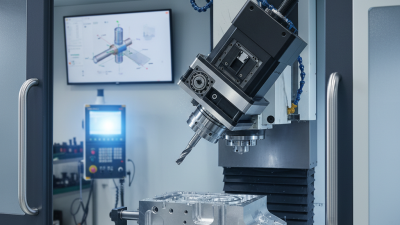
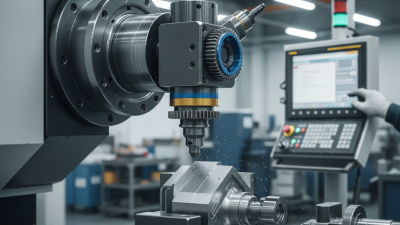
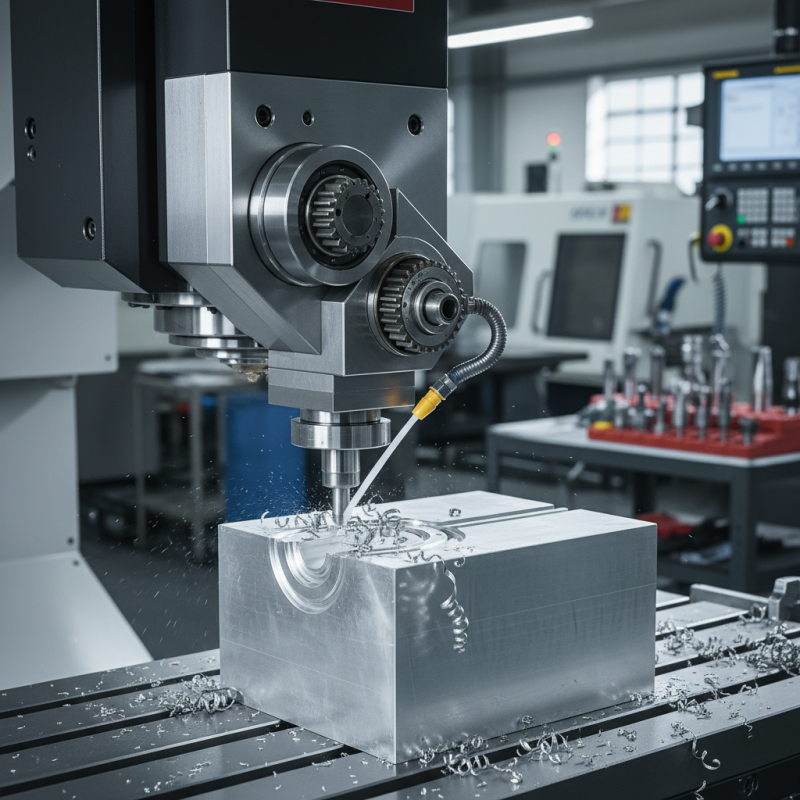
Spindle angle heads play a crucial role in modern machining. These versatile tools enable operations at various angles, enhancing precision and efficiency. They allow for drilling, milling, and boring in hard-to-reach areas. This capability improves workflow and reduces setup time, making them an important asset in any machining shop.
When considering a spindle angle head, assess your specific machining needs. Ensure the head can accommodate different spindle types and sizes. Understanding the material dynamics is also vital; some materials require different cutting strategies. The balance of speed and feed rates should be carefully monitored to avoid unwanted wear.
**Tip:** Regular maintenance is essential for optimal performance. Inspect the spindle angle head for any signs of wear or damage. Addressing these issues early can save time and costly repairs down the line.
**Tip:** Experiment with different angles during practice runs. This will help refine techniques and discover the best methods for various projects. Document these findings; they may aid future decisions.
Choosing the right spindle angle head can alter your machining capabilities significantly. Invest time in understanding its functions and limitations.
Why Choose a Spindle Angle Head for Your Machining Needs?
| Dimension |
Functionality |
Applications |
Advantages |
| Angle Adjustment: 360° |
Enhances machining versatility |
Multi-face machining |
Increases productivity |
| Taper Size: BT40/BT50 |
Compatible with various machine types |
Complex geometries |
Reduced setup times |
| Weight: 10 kg |
Stable during operation |
CNC milling and drilling |
Improved accuracy |
| Max RPM: 8000 |
Facilitates high-speed cutting |
Aerospace and automotive parts |
Versatile machining capabilities |
| Cooling System: Internal |
Prevents overheating |
Continuous operation |
Extended tool life |
Benefits of Using Spindle Angle Heads in Machining Processes
Spindle angle heads are becoming essential tools in modern machining. They allow for increased flexibility in machining processes, reducing setup times and improving efficiency. According to a study by the Association for Manufacturing Technology, using angle heads can lead to productivity increases of up to 30%. This statistic highlights their potential in streamlining operations.
One key benefit of spindle angle heads is their ability to perform various operations in one setup. They enable drilling, milling, and tapping without changing tools. This capability can reduce cycle times significantly. A report from the National Tooling and Machining Association indicates that companies that invest in these tools often report reduced part handling and lower operational costs.
However, the integration of spindle angle heads may not be without challenges. Users sometimes face a learning curve when incorporating these tools into existing processes. Proper training and understanding of their limitations are crucial. While they provide multiple advantages, careful planning and consideration are necessary. Operators must assess whether the increased complexity aligns with their machining needs.
Factors to Consider When Choosing a Spindle Angle Head
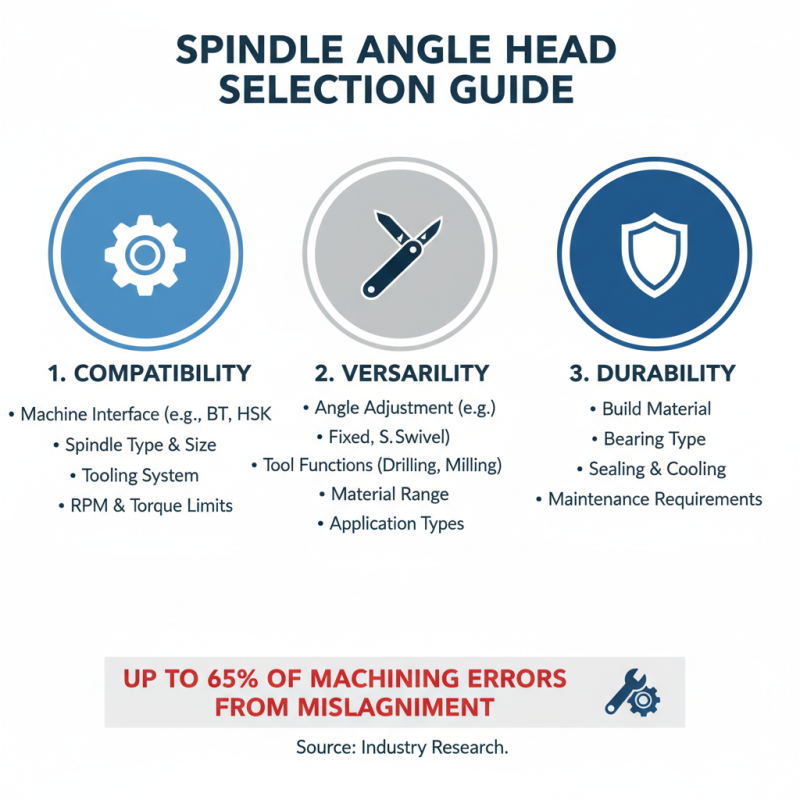
Choosing a spindle angle head is critical for optimizing machining operations. When selecting one, consider factors such as compatibility, versatility, and durability. Research indicates that up to 65% of machining errors stem from equipment misalignment. This statistic underscores the importance of choosing the right spindle angle head to ensure precision.
Tip: Assess compatibility with current machines. Misalignment can lead to costly downtime and rework.
Another vital factor is versatility. A versatile spindle angle head can enhance production by allowing for various machining angles and operations. According to industry reports, utilizing such tools can improve productivity by 30% or more. However, this improvement can only be realized if the equipment is properly integrated and the operator is trained adequately.
Tip: Ensure your team receives proper training. Skill and knowledge can elevate the performance of your spindle angle head.
Durability is also essential. Investing in a high-quality spindle angle head may yield long-term benefits. Some sources suggest that durable models can last up to three times longer than lower-quality alternatives. However, ongoing maintenance and inspections are necessary to ensure longevity and effectiveness.
Applications of Spindle Angle Heads in Different Industries
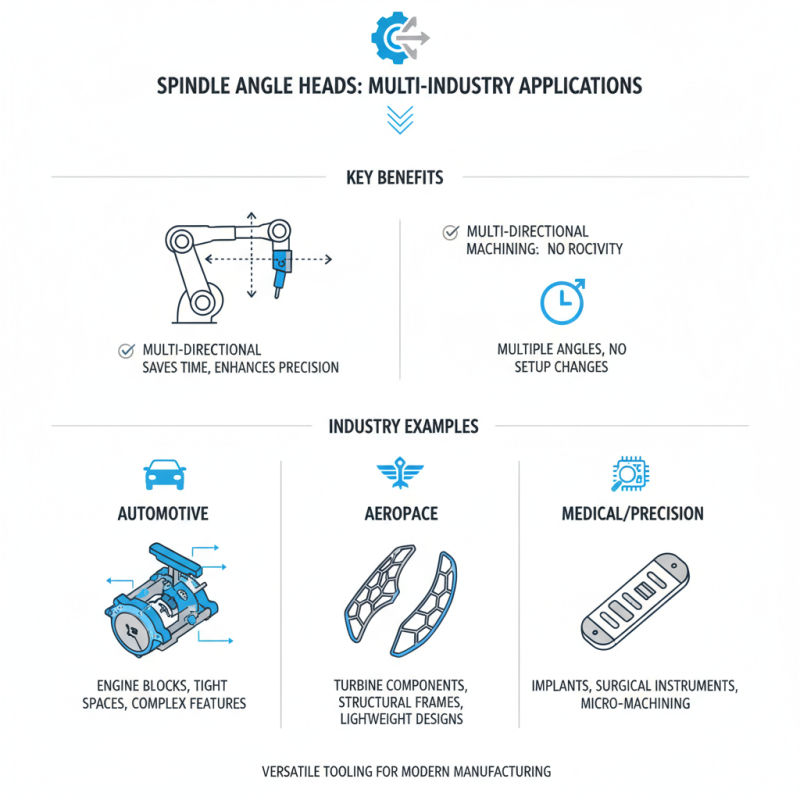
Spindle angle heads are versatile tools used in various industries. Their design allows for multi-directional machining, which saves time and enhances precision. In automotive manufacturing, they can create complex features in tight spaces, making them essential for engine block machining. The ability to machine multiple angles without changing setups leads to higher productivity.
In aerospace, spindle angle heads are invaluable. They help in the fabrication of intricate components that require tight tolerances. Their use reduces the number of tools needed and minimizes the risk of errors. In the medical device industry, these heads assist in creating specialized parts, ensuring the highest standards of quality and safety. Each application emphasizes the importance of precision and efficiency.
Even with their advantages, spindle angle heads require careful handling and operator training. Misuse or lack of proper setup can lead to errors or damaged parts. Awareness of their capabilities and limitations is crucial for effective application. Adopting this technology may pose challenges, but the benefits often outweigh the hurdles.
Comparing Spindle Angle Heads with Other Machining Tools
When evaluating machining tools, spindle angle heads stand out for their versatility. These attachments enhance tool reach and efficiency, enabling complex machining processes without the need for repositioning workpieces. Unlike traditional tool holders, angular heads can extend a machine's capabilities. This is particularly beneficial for parts with intricate geometries. A report from the National Tooling and Machining Association noted that using spindle angle heads can reduce cycle times by up to 30% in certain applications.
In contrast, traditional CNC tools may lack flexibility. They often require multiple setups, increasing the chance of error. Error rates in machining setups can rise to 20% due to misalignment or improper positioning. The precision of spindle angle heads minimizes this risk, leading to more consistent output. Industry data indicates that facilities employing these tools report a 15% improvement in overall productivity.
While angle heads offer clear advantages, they are not without challenges. Proper training is essential to maximize their potential. Operators must understand the nuances of working with these attachments. Without this expertise, users might struggle to realize the expected benefits. In conclusion, while spindle angle heads can significantly boost efficiency and precision, the need for skilled operation cannot be overlooked.
Advantages of Using a Spindle Angle Head in Machining