How to Choose the Best Heavy Duty Angle Head for Your Needs?
Choosing the right Heavy Duty Angle Head can be a challenging task. With various options on the market, it’s easy to feel overwhelmed. These tools are essential for precision work in construction and manufacturing. They allow for intricate angles and hard-to-reach areas.
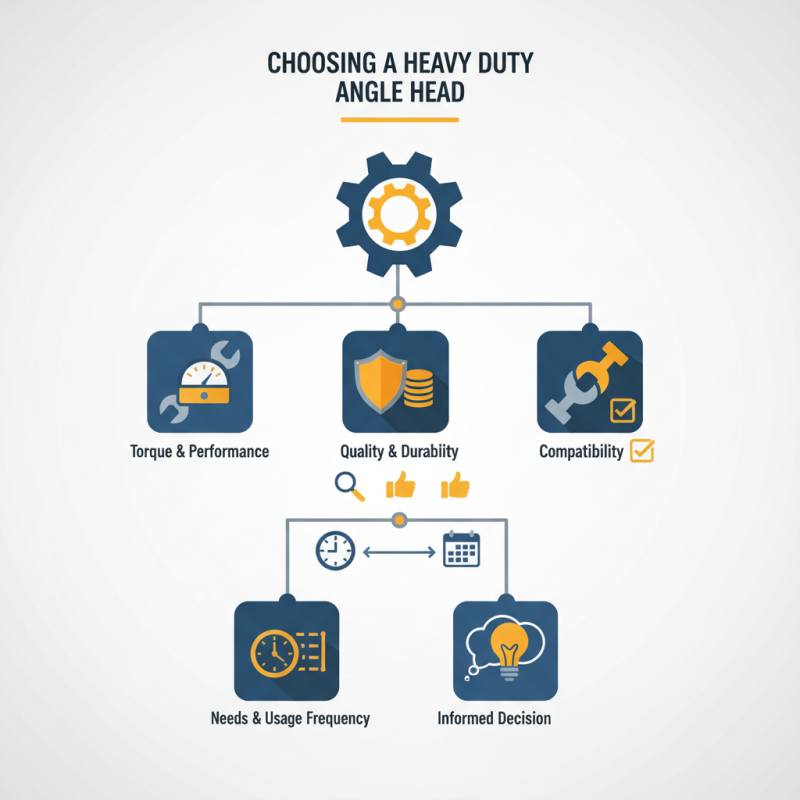
When selecting a Heavy Duty Angle Head, consider the torque and performance needed for your projects. Quality matters. Some models may not withstand heavy use over time. Take time to read reviews and seek recommendations. It’s important to find a balance between cost and durability.
Make sure the angle head fits your specific tools. Compatibility can often be overlooked. A mismatch can lead to inefficiencies and frustration. Reflect on your specific needs and usage frequency. This will guide you toward making a sound decision.
Understanding Heavy Duty Angle Heads and Their Applications
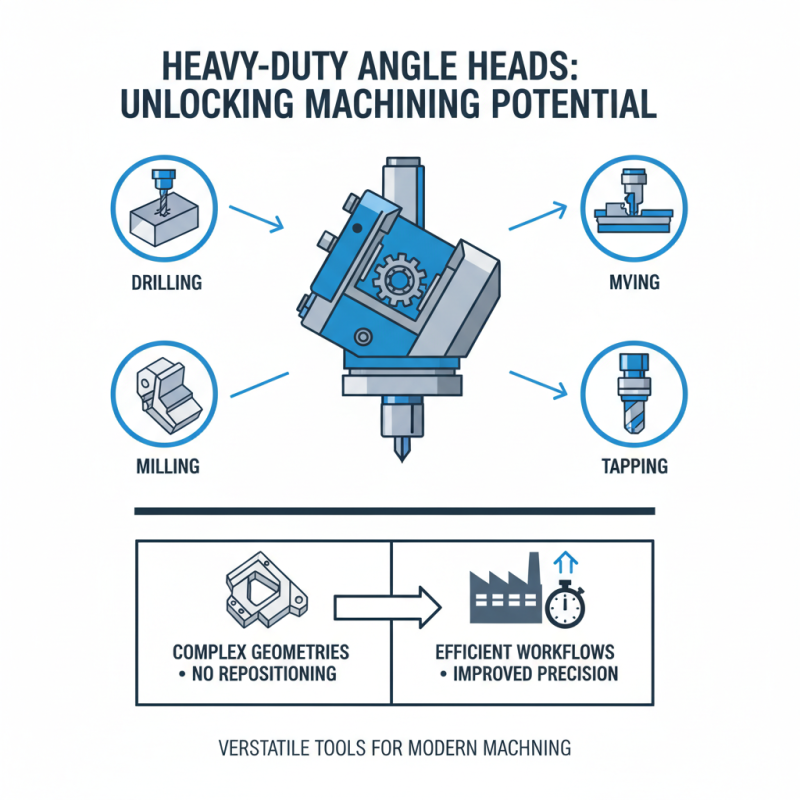
Heavy duty angle heads are versatile tools in machining applications. They allow users to drill, mill, or tap at various angles. By utilizing an angle head, operators can achieve complex geometries without repositioning the workpiece. This translates to more efficient workflows and improved precision.
Different industries benefit from heavy duty angle heads. Aerospace and automotive sectors often require angled cuts and holes. These specialized tools facilitate intricate designs with tight tolerances. Additionally, construction industries might use them for structural steel fabrication. Each use case has its own demands, and therefore, it's essential to choose the right specifications for your work.
However, selecting the best angle head can be challenging. Factors like compatibility with existing machinery and size limitations need careful consideration. Misalignment can cause tool wear and damage. Operators often overlook maintenance, which can lead to reduced tool longevity. Reflecting on these details can enhance your machining projects significantly. Balancing precision and efficiency may require some trial and error, but the results are often worth it.
Key Features to Consider When Selecting an Angle Head
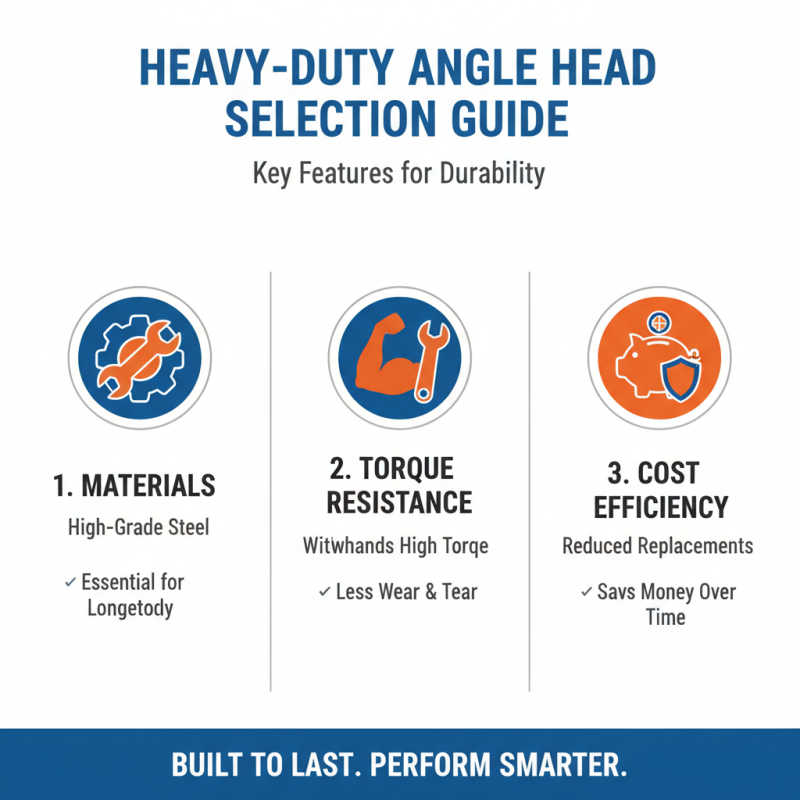
When selecting a heavy-duty angle head, several key features warrant your attention. First, look for durability. Materials like high-grade steel are essential for longevity. Research indicates that robust angle heads can withstand high torque better, leading to less wear over time. This is crucial for demanding tasks, as frequent replacements can be costly.
Another important feature is the gear ratio. A higher gear ratio allows for more torque delivery in tight spaces. According to a recent industry report, angle heads with optimal gear ratios can improve productivity by up to 30%. Balanced performance can ensure that your operations run smoothly without unnecessary delays.
Tip: Always check compatibility with your existing machinery. A mismatch can lead to inefficiencies. Additionally, consider the overall weight of the angle head. Heavier units may provide stability but could affect maneuverability in certain applications.
Remember to read user reviews and seek feedback from professionals in the field. Their insights can reveal practical benefits or drawbacks that spec sheets might not cover. Sometimes, it’s the little details that make a significant impact. Don't overlook the potential of a versatile angle head that can adapt to various tasks.
Types of Heavy Duty Angle Heads Available in the Market
When selecting a heavy-duty angle head, understanding the types available is crucial. There are several options to consider. Standard angle heads are popular for general tasks. They allow for flexible tooling at various angles, making them versatile. Then there are high-speed angle heads that excel in precision work. These heads focus on reducing vibration, enhancing accuracy for fine detailing.
Specialization is another area to explore. Certain angle heads are designed specifically for milling or drilling. For instance, some have features that improve chip removal. Others may have cooling channels to increase performance during prolonged use. While these options can optimize tasks, they often come with a higher price tag.
Personal preference plays a significant role too. Users may prefer different weights or sizes based on their hand comfort. Some may find larger heads cumbersome during extended projects. It's essential to reflect on your working style. Evaluate your projects and routine. Identifying these aspects will guide your choice effectively.
Types of Heavy Duty Angle Heads and Their Applications
Assessing Compatibility with Your Existing Machinery
When choosing a heavy-duty angle head, compatibility with your existing machinery is crucial. Check the mounting specifications. Ensure the angle head fits securely without any modifications. An improper fit can cause vibration or misalignment during operation, leading to inefficiencies. Measure your current equipment carefully. Precision in measurements can save time and prevent frustration.
Consider the spindle speed requirements of your machinery. Not all angle heads can handle high speeds. A mismatch here may lead to overheating and damage. Look for features like cooling systems if you operate at high speeds. Your tasks should guide the specifications needed for compatibility.
Tip: Always perform a dry run before full operation. It will help you identify any potential issues without risking your tools.
Another tip: Keep an eye on the weight of the angle head. A heavy accessory may affect balance. This could lead to unexpected handling issues during machining. Test different materials to find the right balance between durability and weight.
How to Choose the Best Heavy Duty Angle Head for Your Needs? - Assessing Compatibility with Your Existing Machinery
| Model |
Max Torque (Nm) |
Compatibility |
Weight (kg) |
Price ($) |
| Angle Head A |
150 |
Milling Machine Model X |
5.5 |
350 |
| Angle Head B |
200 |
Turning Machine Model Y |
6.2 |
450 |
| Angle Head C |
175 |
Milling Machine Model Z |
5.8 |
400 |
| Angle Head D |
220 |
Turning Machine Model W |
7.0 |
500 |
Tips for Maintenance and Care of Angle Heads for Longevity
Proper maintenance of heavy-duty angle heads is crucial for their longevity. Regular cleaning is essential. Debris and dust can accumulate, affecting performance. A simple cloth can do wonders. Ensure you wipe down the surfaces after each use. This small task can prevent bigger problems later.
Check for wear and tear regularly. Look for any signs of damage, such as cracks or changes in alignment. If something feels off, investigate it further. Ignoring minor issues could lead to significant failures down the line. Use appropriate lubricants to minimize friction. A little goes a long way in preserving the internal parts.
Store your angle heads in a dry environment. Humidity can damage the components. Consider using protective cases for added safety. Even a small mishap can affect usability. Don’t overlook the importance of understanding the specifications. Knowing what your angle head can handle is vital. Missing this can lead to misuse and costly repairs.