How to Choose a Heavy Duty Angle Head for Your Projects?
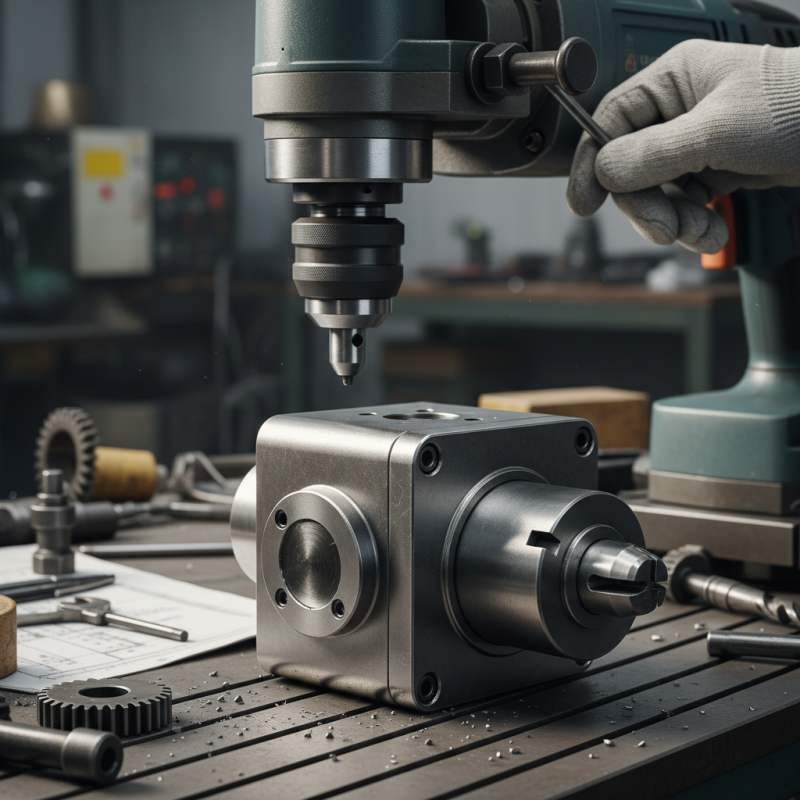
Choosing the right Heavy Duty Angle Head can be a game changer for your projects. This tool enhances precision, especially in tight spaces. Many factors influence the choice. You must identify your project needs.
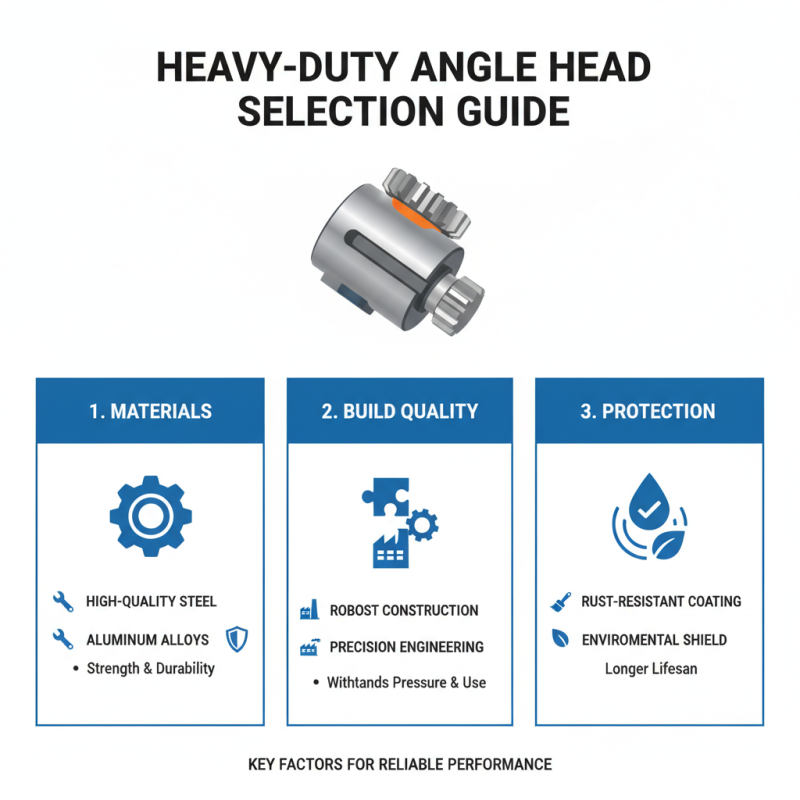
When selecting a Heavy Duty Angle Head, consider the material it is made from. Steel options are often more durable. Check compatibility with your existing equipment. A mismatched design can lead to inefficiencies.
You may find options that boast high torque and low vibration. These features contribute to better performance. However, not every model will suit your requirements. Take time to read reviews and gather feedback. Reflect on what works best for your specific applications.
Understanding the Basics of Heavy Duty Angle Heads
Understanding heavy duty angle heads is crucial for achieving precise results in machining projects. These tools are designed to improve the flexibility and efficiency of machining operations. They allow for angular setups that are often hard to reach. The heavy duty version means they can handle substantial forces and larger workpieces. This durability is essential for demanding industrial applications.
When selecting an angle head, consider key factors like size and compatibility. Ensure the head fits your existing tool systems. Quality of construction should not be overlooked. A poorly made angle head may lead to vibrations or imprecise cuts. It’s easy to overlook component materials. However, high-quality steel or alloy can make a significant difference in longevity.
Also, think about weight and balance. A heavier angle head provides stability but may require additional effort to handle. Always test it in your specific setup. There might be unexpected issues to address. Users often realize that adjustments are necessary once they start using the angle head. Balancing performance and usability is not always straightforward.
How to Choose a Heavy Duty Angle Head for Your Projects?
| Feature |
Description |
Importance |
| Material |
High-strength steel or aluminum for durability. |
Critical |
| Compatibility |
Must fit your machine's spindle and collets. |
Very Important |
| Angle Range |
Standard ranges from 90° to 180°; specific needs may vary. |
Important |
| Weight |
The heavier models generally offer better stability. |
Moderate |
| Precision |
Look for low runout tolerance for accuracy. |
Critical |
| Cost |
Balance quality and price; consider long-term use. |
Moderate |
| Brand Reputation |
Research user reviews and reliability. |
Important |
Key Features to Look for in Angle Heads
When choosing a heavy-duty angle head, certain key features are crucial. Pay attention to the material. A robust construction ensures durability. Stainless steel is a common choice. It resists corrosion and wears well.
Consider the weight, too. Heavier units often offer better stability. They can endure tough conditions and harsh handling.
Another essential feature is the gear ratio. A high gear ratio increases torque, enhancing performance. Think about the speed options as well. Different projects require different speeds. Be mindful of the adjustment mechanism. An easy-to-use system saves time on the job.
Finally, check the compatibility with your equipment. Not all angle heads fit every machine. Mismatched components can lead to inefficiency. Assess your workspace and application needs carefully. Sometimes, it's better to test a few options before making a choice. This trial-and-error approach, while time-consuming, can lead to significant improvements. Consider all these aspects before purchasing to ensure you make an informed decision.
Evaluating Compatibility with Your Tools and Projects
When selecting a heavy-duty angle head, compatibility with your tools is critical. Many users overlook this factor, leading to inefficiencies. A recent report indicated that nearly 40% of professionals faced operational issues due to mismatched equipment. This incompatibility can result in increased wear on tools and less effective performance.
Different angle heads feature varied designs and specifications. They may not integrate seamlessly with every tool. For instance, an angle head with a specific connection type might not fit all drill motors. Users should always check the specifications of their existing tools. Additionally, invest time in understanding the torque and speed requirements of your projects. In some cases, the chosen angle head may not handle the intended workload efficiently.
Assessing compatibility involves reviewing dimensions and connection standards. It's not just about fitting; it's about function. Compatibility issues can lead to vibration problems, reduced accuracy, and even tool damage. According to industry research, 25% of projects failed to meet deadlines due to equipment mismatches. Thus, a careful evaluation of your needs and tool specifications is essential for successful project outcomes.
Compatibility of Heavy Duty Angle Heads with Popular Tool Types
Budgeting and Price Comparisons for Angle Heads
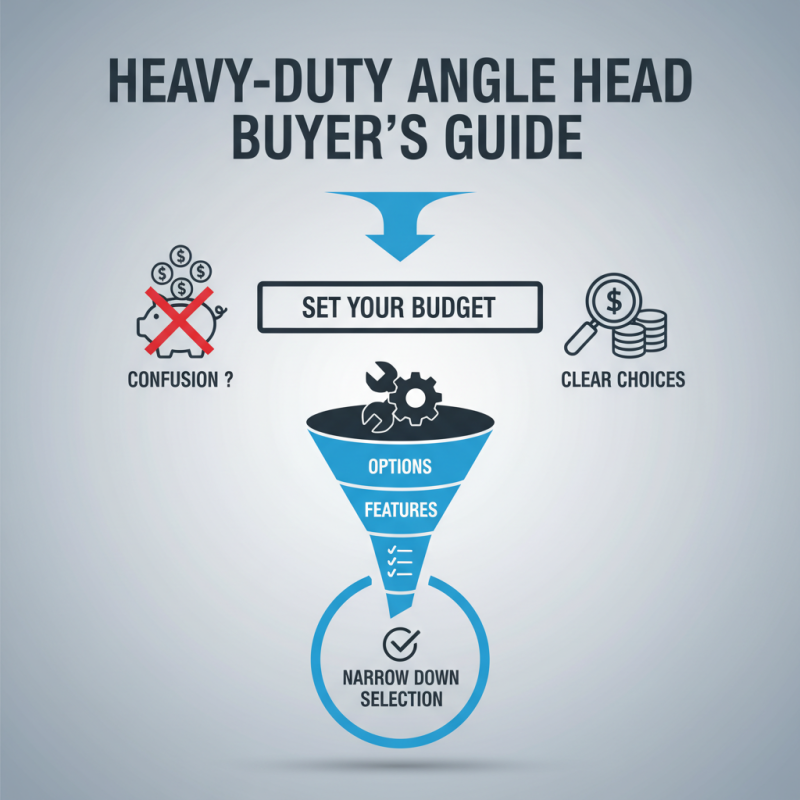
When selecting a heavy-duty angle head, pricing can be confusing. Many options exist, and each has its features. Start by setting a budget that fits your needs. A clear budget helps narrow down choices. Without it, you might feel lost among countless models.
Price comparisons are crucial. Some angle heads appear cheaper but may lack durability. Investing in quality can save money in the long run. Remember that a low upfront price might hide future costs. Repairing or replacing cheap tools often exceeds savings. Researching materials and build quality will provide insights.
Shopping around is essential. Check online marketplaces and local suppliers. Sometimes, the same product varies drastically in price. Don't hesitate to ask for recommendations. Peer reviews can reveal what newbies might overlook. It's okay to feel unsure. Use this feedback, and refine your choices. Your goal is a reliable angle head that meets project demands, not just the lowest price.