How to Choose the Right Toolholder Collet for Your Needs?
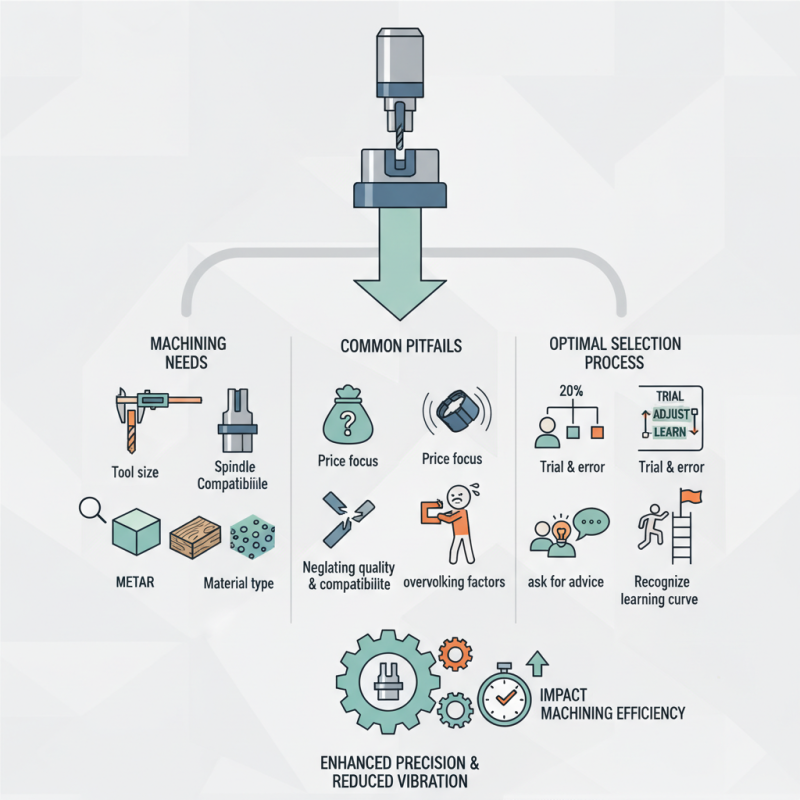
Choosing the right Toolholder Collet can greatly impact your machining efficiency. A suitable collet enhances precision and reduces vibration during operation. Different machines require specific collet types, which adds complexity to your decision.
Understanding your machining needs is crucial. Factors such as tool size, spindle compatibility, and material type all play a role. However, it’s easy to overlook these aspects in a busy workshop. Many users focus solely on price, neglecting quality and compatibility.
Finding the ideal Toolholder Collet often involves trial and error. It may take multiple attempts to discover what works best. Don't hesitate to ask for advice from experienced operators. Learning from others' mistakes can save time and resources. Recognizing the learning curve in this process is vital for effective machining experiences.
Understanding Toolholder Collets: Types and Functions
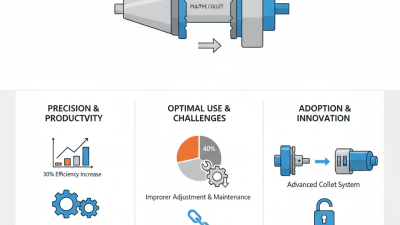
Toolholder collets play a crucial role in machining operations. They secure cutting tools with precision and efficiency. Various types of collets exist, each suited for specific applications. Common types include ER, SK, and HSK collets. According to a recent industry report, about 40% of machining errors arise from improper toolholder choice. Therefore, understanding their functions is vital.
ER collets are popular for their versatility. They accommodate different tool sizes, offering flexibility in setups. In contrast, HSK collets provide better rigidity and are preferred in high-speed applications. A study suggests that using the correct collet can improve machining accuracy by up to 30%. However, many users still struggle with selecting the right collet, leading to inefficiencies.
Material and design impact toolholder performance. For instance, collets made of high-carbon steel are less prone to wear. Some users overlook this detail, resulting in reduced lifespan. Regular inspections and maintenance are essential yet often neglected. Industry data highlights that approximately 25% of toolholder failures can be traced back to lack of care. Understanding these nuances helps improve machining outcomes significantly.
Toolholder Collet Types and Their Usage Frequency
Evaluating Material Compatibility for Specific Applications
When selecting a toolholder collet, material compatibility is critical. Different applications require specific materials to optimize performance. For instance, high-speed machining may demand collets made from hardened steel or carbide. These materials provide durability and resistance to wear. Conversely, softer materials may be more suitable for less demanding tasks.
Tips: Consider the specific materials you work with regularly. The right collet can enhance tool life and precision.
Another factor to evaluate is the environmental conditions of your operation. Collets exposed to extreme temperatures or corrosive environments require special materials. This ensures longevity and consistent results. Think about how often you change applications. A versatile collet can save time and costs.
Tips: Always review the compatibility of your toolholder with the planned material. Small details can lead to significant differences in efficiency.
Assessing Precision and Taper Types for Optimal Performance
Choosing the right collet is crucial for machining success. Precision and taper types significantly influence performance. A report by the National Institute of Standards and Technology indicates that a precision level of 0.0001 inches can enhance tool life and part quality.
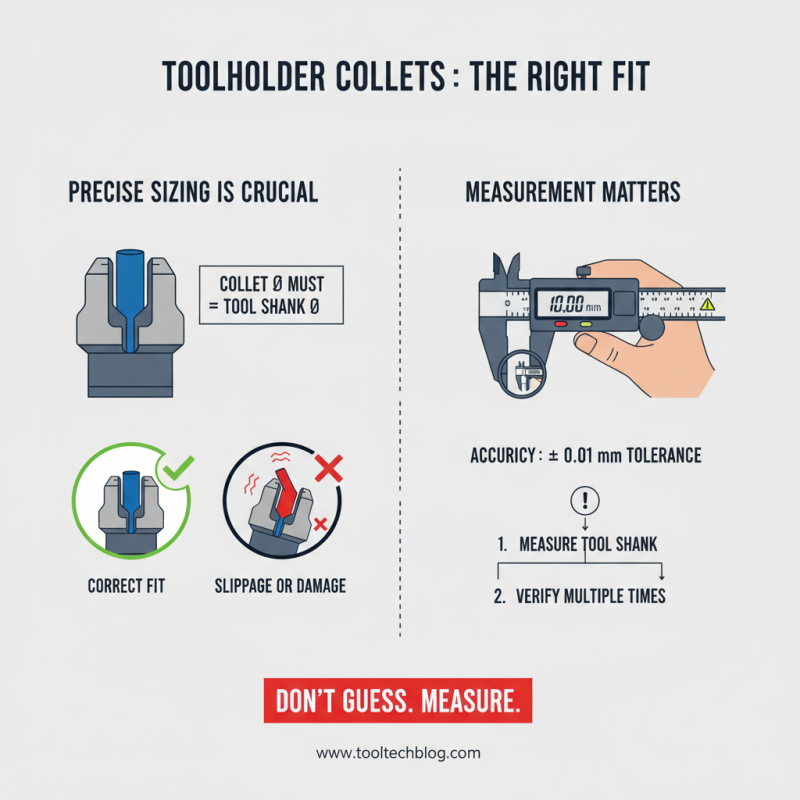
When selecting a collet, consider the taper type. Common options include CAT, BT, and HSK. Each has its benefits. For instance, HSK can offer a higher grip force and reduced run-out. However, they require precise toolholders, where slight misalignments can lead to errors. This necessitates careful measurement during setup.
Tips: Always verify the collet fits your tool. A looser fit may impact accuracy. Consider the material; hardened steel provides durability but can be more expensive. Inspecting regularly for wear can save costs over time.
Choosing the right size is just as important. Using an inappropriate size can lead to part discrepancies. Sometimes, one might feel tempted to compromise for a quick fix. Yet, that can result in higher costs later. Proper precision and taper selection cannot be overlooked. They are essential for optimal machining results.
How to Choose the Right Toolholder Collet for Your Needs?
| Collet Type |
Precision Level |
Taper Type |
Recommended Use |
Max RPM |
| ER Collet |
High Precision |
ISO 7308 |
Milling and Drilling |
12,000 RPM |
| TG Collet |
Medium Precision |
ISO 7388-1 |
Lathe Work |
10,000 RPM |
| DA Collet |
High Precision |
ISO 15488 |
Fine Tolerance Machining |
15,000 RPM |
| A Collet |
Standard Precision |
ISO 3452 |
General Machining |
8,000 RPM |
Factors Influencing Toolholder Collet Selection: Costs and Availability
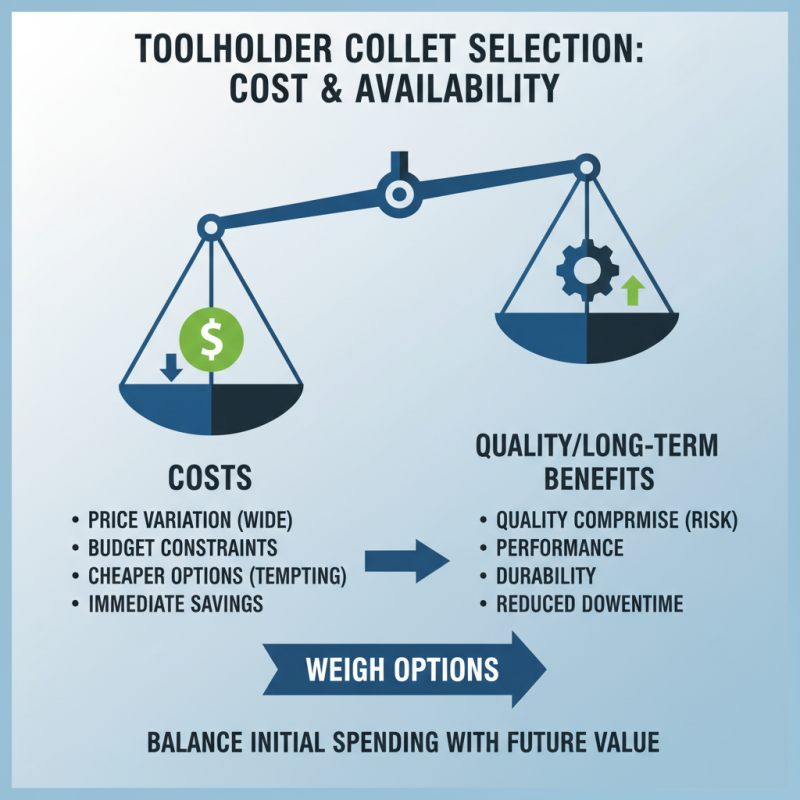
When selecting the right toolholder collet, costs and availability are crucial factors. Prices vary widely among different types. Budget constraints often play a significant role. It may be tempting to choose cheaper options. However, lower costs can sometimes compromise quality. It’s important to weigh the long-term benefits against immediate savings.
Availability should not be overlooked. Check local suppliers and online retailers. Some types may have long lead times. This delay can hinder production schedules. If a specific collet is not readily available, consider alternatives. Sometimes, similar models can perform just as well.
**Tip:** Always compare features and specifications, not just prices.
Keep an eye on upcoming trends. New models may offer better performance or cost-effectiveness. Research can help you stay informed. You might discover options that improve overall efficiency.
**Tip:** Build a relationship with suppliers. This can lead to better deals and timely availability.
Reflect on your current needs. Frequent changes in projects might require different sizes or types. Stay adaptable. Regularly reassess your requirements to maintain efficiency.