How to Choose the Right Clamping Collets for Your Needs?
Choosing the right clamping collets is crucial for efficiency in machining. The global collet market is projected to grow by 5% annually, driven by advancements in manufacturing technologies. Industries ranging from automotive to aerospace rely on high-quality clamping collets to ensure precision and reliability in their processes.
Collets need to fit specific applications. A mismatch leads to poor performance and increased wear. Studies show that selecting the wrong collet can reduce tool life by up to 30%. It's important to consider factors like material type, desired grip, and machinist skill levels.
Expertise is more critical than ever in this area. With numerous brands and styles available, making an informed choice can be daunting. Each application has unique requirements. Relying on industry reports and trusted manufacturers can significantly help. However, it's also necessary to remain adaptable and open to re-evaluation as technologies and designs evolve.
Understanding the Different Types of Clamping Collets Available in the Market
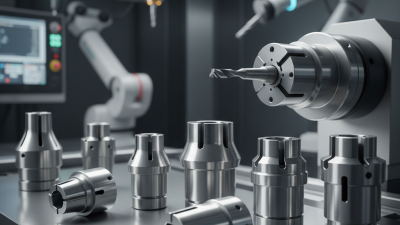
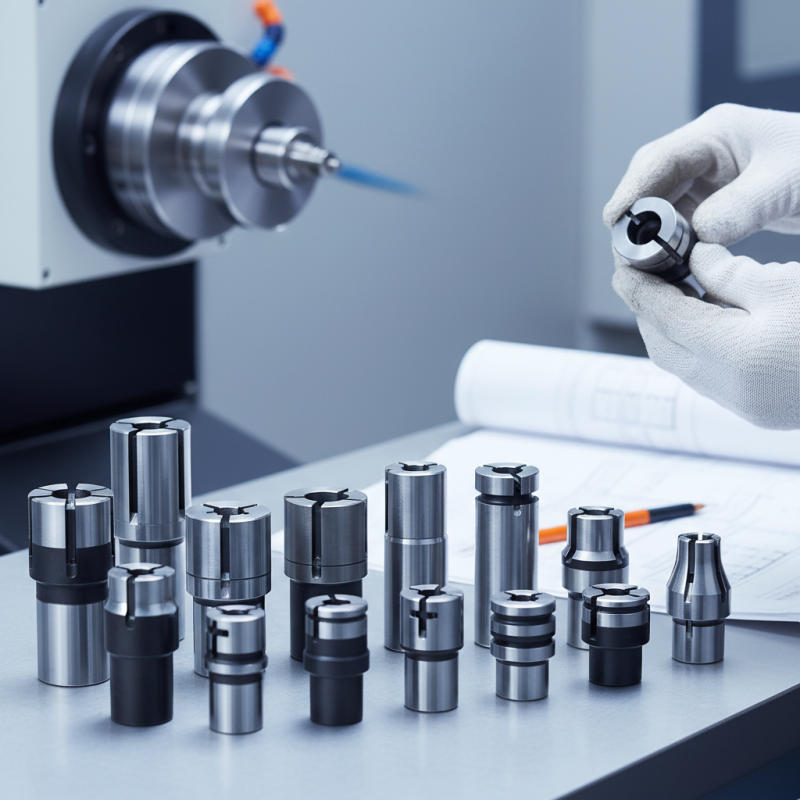
Clamping collets play a crucial role in machining processes. They securely grip workpieces, ensuring precision and stability. Understanding the various types of collets is essential for effective application. The most common types include traditional collets, expanding collets, and hydraulic collets. Each serves different purposes and comes with unique advantages.
Traditional collets are often used for standard machining applications. According to industry reports, they perform well in setups requiring quick changes. Expanding collets are ideal for gripping irregular shapes. They provide a firm hold and adapt to the workpiece size. Hydraulic collets, while more complex, offer increased grip strength. They excel in high-speed applications, maintaining accuracy even under stress.
However, selecting the wrong type can lead to issues. A mismatch between collet size and workpiece can result in inaccuracies. Some users overlook the importance of proper maintenance, which can degrade collet performance over time. Industry experts emphasize the need for regular inspections. Understanding your specific needs is vital for optimal performance and longevity of the collet system. Every workshop must evaluate its requirements carefully before making a choice.
Key Factors to Consider When Selecting Clamping Collets for Applications
Selecting the right clamping collets is crucial for optimal performance in various applications. Understanding the specific requirements is the first step. Consider the material of the workpiece. Different materials, such as metals and plastics, may require different collet designs and materials to ensure a secure grip.
The size and shape of the collet also play a key role. They must match the tool shank and the type of machining process you will use. A poor fit can lead to vibrations and inaccuracies. Additionally, think about the collet’s gripping range. This determines how versatile your setup can be. Some collets offer a wider range, which can be beneficial for handling diverse workpiece sizes.
Lastly, material quality matters. High-quality collets promise durability and precision. However, they often come with a higher price tag. It’s essential to weigh the cost against the potential benefits. Reflect on your usage frequency and the expected lifespan of the collets. This will help determine if investing in premium options is worthwhile for your needs.
Material Composition and Its Impact on Clamping Collet Performance
The material composition of clamping collets significantly influences their performance. High-quality collets often utilize heat-treated tool steel or carbide, providing superior strength and durability. According to industry reports, collets made from these materials can exhibit a clamping force increase by up to 30%. Yet, it's essential to consider the specific application. Different materials address unique requirements, such as corrosion resistance or thermal stability.
Proper selection also involves understanding the collet's geometry and finish. For example, precision-ground collets can enhance tool alignment, which directly affects machining accuracy. Research indicates that improper collet choice can lead to tool wear rates increasing by 20%, emphasizing the critical role of material in performance. Always evaluate your machining needs against the properties of the materials used in collets.
Tips: When selecting a collet, factor in the size and type of the workpiece. A mismatched collet can lead to vibration and machining errors. Regularly inspect the collets for wear, as this will help maintain performance and reduce costs. Ensure your selection aligns with the machining conditions you face, including speed and load.
Precision and Size Tolerances in Clamping Collets: What to Look For
When selecting clamping collets, precision and size tolerances are essential. The diameter of the collet must match the tool shank closely. A poorly fitting collet can lead to vibrations, which impacts accuracy. These vibrations can reduce the lifespan of tools. Examine the manufacturer’s specifications for tolerance levels. They should specify how closely the collet can maintain the required diameter under different conditions.
Size is not the only factor. Material quality affects performance. Steel and carbide are common choices, known for their strength and durability. Remember that collets wear out over time. An overlooked aspect is proper maintenance. Regular cleaning and inspection can prevent issues. Even slight damage can cause significant problems when clamping.
Consider the type of work you do. Some applications demand higher accuracy. If tolerances are too loose, the results can be disappointing. Choosing the right collet is often a balance between performance and cost. Reflect on past experiences; they can guide future decisions. Sometimes, it takes trial and error to find the perfect fit.
How to Choose the Right Clamping Collets for Your Needs? - Precision and Size Tolerances in Clamping Collets: What to Look For
| Collet Type |
Precision Tolerance |
Size Range (mm) |
Material |
Common Applications |
| ER Collet |
±0.005 |
1.0 - 20.0 |
Spring Steel |
Milling, Drilling |
| W Collet |
±0.002 |
2.0 - 16.0 |
Steel, Chrome Plated |
Precision Machining |
| TG Collet |
±0.01 |
1.5 - 12.0 |
Aluminum |
CNC Machining |
| CA Collet |
±0.003 |
3.0 - 32.0 |
Stainless Steel |
High Precision Work |
| 5C Collet |
±0.01 |
1.000 - 3.000 |
Bronze |
Lathes, Grinders |
Industry-Specific Applications: Choosing Collets for CNC Machines vs. Lathes
When selecting clamping collets, it’s crucial to consider the specific application. CNC machines often require precision and versatility. These collets are designed to grip various tool sizes securely while allowing quick changes. A well-chosen CNC collet improves accuracy, reducing runtime inefficiencies. Delicate materials, like aluminum, benefit from specific collet designs to prevent damage.
Lathes, however, demand a different approach. The needs here focus on strength and stability. Collets for lathes should handle heavier workpieces. Many machinists overlook the importance of collet material. Steel or hardened materials provide durability under high stress.
It's essential to recognize that no collet works flawlessly for every task. Machining processes depend on multiple factors. Challenges can arise, such as tool slippage or misalignment. Regular assessments and adjustments can help overcome these obstacles. A reflective approach ensures that the best collet is chosen for each unique project.