How to Choose the Right Conveyor Belt Rollers for Your Needs?
Choosing the right conveyor belt rollers is crucial for any material handling system. There are many options available, and each type serves specific needs. The right selection can enhance efficiency, reduce downtime, and improve safety.
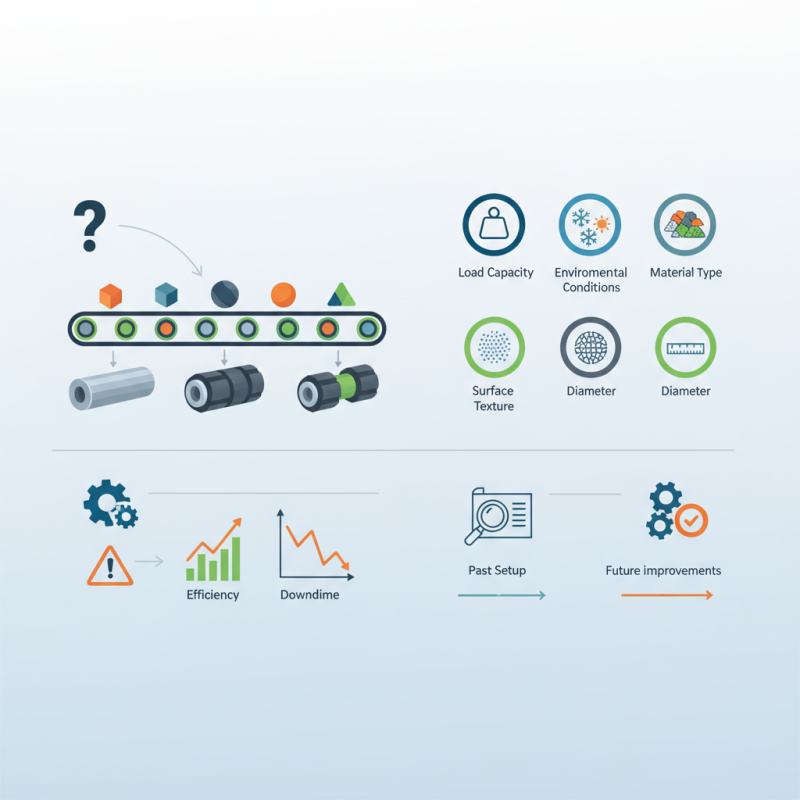
When selecting conveyor belt rollers, consider factors like load capacity, environmental conditions, and the type of materials being transported. The surface texture and diameter also play significant roles. An inappropriate choice may lead to increased wear, unexpected failures, or even accidents. It’s essential to review your system’s requirements carefully.
Many users overlook minor details that can impact performance. Sometimes, the roller design doesn't align well with the belt type. This mismatch can cause persistent issues, such as misalignment or excessive noise. Assess your current setup periodically. Reflecting on past decisions may reveal important insights for future improvements. These considerations can lead to a more reliable conveyor system.
Understanding the Different Types of Conveyor Belt Rollers
Choosing the right conveyor belt rollers is crucial for operational efficiency. Various types exist, each serving different purposes. Generally, they can be categorized into drive rollers, idler rollers, and return rollers. Drive rollers are responsible for movement. They often need sturdy construction and precise alignment. Idler rollers, on the other hand, help minimize friction. Choosing the wrong idler type can increase energy consumption by as much as 30%, according to industry reports.
Material choice significantly affects roller performance. Steel rollers are durable but can be heavy. In contrast, plastic rollers are lighter but may not handle heavy loads well. Consider load capacity, speed, and environmental factors when selecting materials. Research indicates that over 40% of conveyor system failures are linked to poor roller selection. A fitting roller can improve efficiency by 15% in some cases, enhancing the lifespan of the entire conveyor system.
Regular maintenance is vital. It's not enough to just pick the right type. Even the best rollers can wear out or get damaged. Visual inspections and timely replacements can save costs. Reflecting on past choices can reveal whether you overlooked critical factors. Every decision impacts productivity, so take the time to evaluate your options thoroughly.
Comparison of Different Types of Conveyor Belt Rollers
Factors to Consider When Selecting Conveyor Belt Rollers
Choosing the right conveyor belt rollers is critical to achieve operational efficiency. When selecting the appropriate rollers, consider key factors like load capacity, environmental conditions, and material type. According to a 2022 industry report, nearly 70% of conveyor system failures are linked to roller issues. Therefore, close attention to specifications is needed.
Load capacity is essential. Select rollers that can handle the weight of the items being transported. Calculate the total weight and choose rollers that exceed this capacity. Ensure that roller materials are suitable for the intended environment. For instance, stainless steel is ideal for wet conditions.
Tip: Always account for the potential wear and tear on the rollers. Using rollers that can resist corrosion and abrasion will extend their lifespan significantly.
Additionally, be aware of roller diameter and length. Larger diameters can reduce friction and improve belt life. However, they may not fit in all systems. A mismatch here can lead to inefficiencies and disruptions.
Tip: Regular maintenance checks can identify roller wear early. This proactive approach can save time and money in the long run. It's not just about functionality; it's about enhancing performance and reliability.
Evaluating Load Capacity and Durability Requirements
When selecting conveyor belt rollers, load capacity is crucial. Each roller must support the weight of materials while ensuring smooth movement. Consider the maximum weight your system will handle. This ensures the rollers won't bend or break under pressure.
Durability is equally important. Rollers should withstand environmental factors like temperature and moisture. Metal rollers may corrode, while plastic might crack. Selecting the right material affects longevity. Test samples in real conditions if possible.
Reflect on your specific needs. Sometimes, overestimating capacity leads to overspending. Check if lighter rollers can perform just as well. Regular maintenance can extend roller life, too. Evaluate whether your standards might be too high. Adjusting expectations can reveal more affordable options.
Assessing Environmental Conditions for Roller Selection
Choosing the right conveyor belt rollers begins with assessing the environmental conditions they will operate in. Factors like temperature, humidity, and exposure to chemicals play major roles. For example, a high-temperature setting may require rollers that can withstand heat without degrading. Additionally, if your environment is dusty or dirty, sealed rollers can help maintain performance.
Consider the materials of your rollers. Metal may be durable, but it can rust in humid conditions. Plastic alternatives resist corrosion but might not handle heavy loads well. It’s also worth pondering the implications of your choice. A roller that performs well in one setting might fail in another, leading to unexpected downtime.
Noise levels are another crucial factor. Some environments require quieter rolls to minimize disturbances. Testing roller options in a mock setup can help. Reflect on the limitations of your current options and learn from them. Analyze past failures. Was it a material oversight or a mismatch with the environment? Understanding these details can lead to better choices.
Comparing Cost-effectiveness and Maintenance Needs
When selecting conveyor belt rollers, cost-effectiveness and maintenance are vital. Roller costs can vary widely. According to industry reports, high-quality rollers might cost 20-30% more upfront but can save 15-25% in overall maintenance. Investing in durable rollers often leads to fewer replacements and less downtime.
Maintenance needs differ significantly based on roller type. Some rollers require regular lubrication, while others are low-maintenance. A study shows roller maintenance can take up 25% of operational time, highlighting the importance of choosing wisely. If maintenance is too frequent, costs can skyrocket.
Tips: Always consider the environment. For dusty or corrosive settings, choose sealed rollers. This decision may lead to cost savings in the long run. Additionally, evaluate the expected life span of rollers based on their materials. Short-term gains can lead to long-term losses. Seek feedback from operators about their experiences with different roller types. Real-world insights can guide better choices.
How to Choose the Right Conveyor Belt Rollers for Your Needs? | Type of Roller | Cost-effectiveness | Maintenance Needs | Lifespan (Years) |
| Steel Rollers | High initial cost, long-term value | Moderate maintenance required | 10-15 |
| Plastic Rollers | Lower initial cost | Low maintenance needs | 5-10 |
| Rubber Rollers | Moderate initial cost | Regular maintenance required | 7-12 |
| Composite Rollers | Higher initial cost, low lifecycle cost | Minimal maintenance required | 15-20 |