How to Choose the Right Extension Rod for Your Needs?
Choosing the right Extension Rod is crucial for various applications, whether in construction or routine maintenance. Selecting an extension rod involves considering several factors that meet your specific needs. It’s more than just picking a length or material; it's about understanding what will work best for your tasks.
Many users often overlook the significance of weight and strength. An appropriate extension rod should balance durability and ease of use. The wrong choice can lead to frustration during usage or even project delays. There’s also a range of materials to consider; each has its pros and cons. Have you thought about the exact purpose of your extension rod? This can greatly influence your decision.
Ensuring reliability is key when investing in tools. High-quality extension rods come from reputable manufacturers with experience in the industry. Research plays a vital role in finding a trustworthy brand. Read reviews and compare options. This effort can make a huge difference in your projects. It’s essential to reflect on these details before making a decision. Your choice could enhance your efficiency or lead to inefficiency. Make sure to choose wisely.
Understanding Extension Rod Types and Their Uses
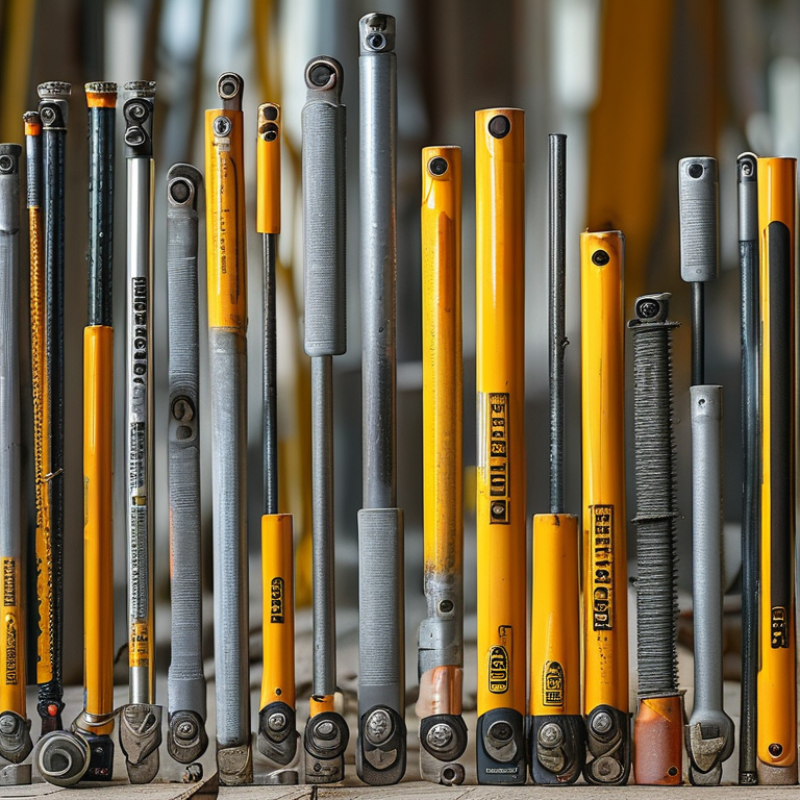
Choosing the right extension rod involves understanding the different types available and how they can meet your specific needs. Extension rods vary in length, material, and design. For example, aluminum rods are lightweight and offer good durability, making them ideal for tasks requiring portability. In contrast, fiberglass rods provide excellent insulation and are perfect for electrical work.
It’s also essential to consider the intended use. A garden extension rod may need to be longer and sturdier for pruning high branches. Meanwhile, a delicate painting task may require a shorter, lighter rod for better control. Using the wrong type can lead to frustration. Some users may find themselves with wobbling rods that are difficult to manage.
Test different weights and grips before settling on your choice. Many find that a comfortable grip improves the precision of their tasks. Often, the best way to determine the right rod is through hands-on experience. Remember, reflecting on past choices can help you avoid similar mistakes in the future.
Key Factors to Consider When Choosing an Extension Rod
Choosing the right extension rod involves several important factors. One key aspect is the length. Evaluate the height you typically work at and select an appropriate length. A rod that is too short can limit your reach, while one that is overly long may be cumbersome. Consider your usual tasks. Are you painting ceilings, cleaning gutters, or reaching high windows? Each task requires different lengths.
Weight is another critical consideration. A lightweight extension rod can reduce fatigue during use. However, ensure it is sturdy enough for your specific needs. Test the material; some rods feel fragile but can support a reasonable amount of weight. Look for options that balance durability with manageability.
Grip and design also matter significantly. Comfortable grips can enhance control while working at a distance. A poorly designed handle can lead to slip-ups, causing frustration or accidents. Review how the rod connects to tools. A secure connection ensures efficiency and safety during your tasks. Often, the right choice is a blend of personal preference and practical needs. Take your time to explore different options before committing.
Evaluating the Length and Reach Requirements
When choosing an extension rod, understanding your length and reach requirements is crucial. The right length ensures efficiency and safety during use. Think about where you’ll be working. Is it a high ceiling or a narrow space?
Measuring the area can help you identify the minimum and maximum lengths needed.
Consider the tasks you'll perform. For painting or reaching items on high shelves, you'll need a longer rod. If you're navigating tight corners or working at ground level, a shorter rod may suffice. In addition, the material of the rod can impact its reach. Flexible materials bend but can be useful in certain situations.
It’s easy to overlook the impact of reach. A rod that's too short can cause unnecessary strain. On the other hand, one that’s too long may lead to instability. Striking the right balance takes thought and sometimes trial and error. Reflecting on your past experiences can guide your choice. Always prioritize safety and choose a rod that feels comfortable and reliable in your hand.
Material Options and Their Impact on Performance
Choosing the right extension rod can significantly affect your work's efficiency. Different materials provide unique performance characteristics. For instance, aluminum rods are lightweight and corrosion-resistant, making them ideal for outdoor use. However, they may lack the rigidity found in steel rods. Steel offers durability but can increase weight and rust over time.
Consider your project requirements before deciding. If you need flexibility, fiberglass might be a good option. It’s non-conductive and lightweight, perfect for electrical work. Yet, its strength is compromised compared to the other materials. Think about where you will use the rod.
Tips: Always check for user reviews or expert opinions to assess the material's performance in real-world scenarios. Testing different materials can also highlight their strengths and weaknesses, helping you make an informed choice. Lastly, don’t overlook the length and compatibility with your equipment; the right fit ensures better performance.
Tips for Ensuring Proper Compatibility with Tools and Equipment
When selecting an extension rod, compatibility is key. Your tools must work seamlessly with the rod. Measure both the rod’s diameter and the tool’s fitting. A mismatch can lead to poor performance. Always check the specifications for both items before buying.
Tips for compatibility include assessing the type of work you’ll do. For heavy-duty tasks, choose a sturdy rod. For lighter work, a flexible rod might suffice. Ensure the attachment mechanism is secure. Loose fittings can be hazardous, causing accidents or damage.
It's also wise to consult with professionals. They can offer insights based on experience. Their input can guide your decision. If possible, test the rod with your tools before finalizing your choice. Understanding your specific needs enhances the selection process.