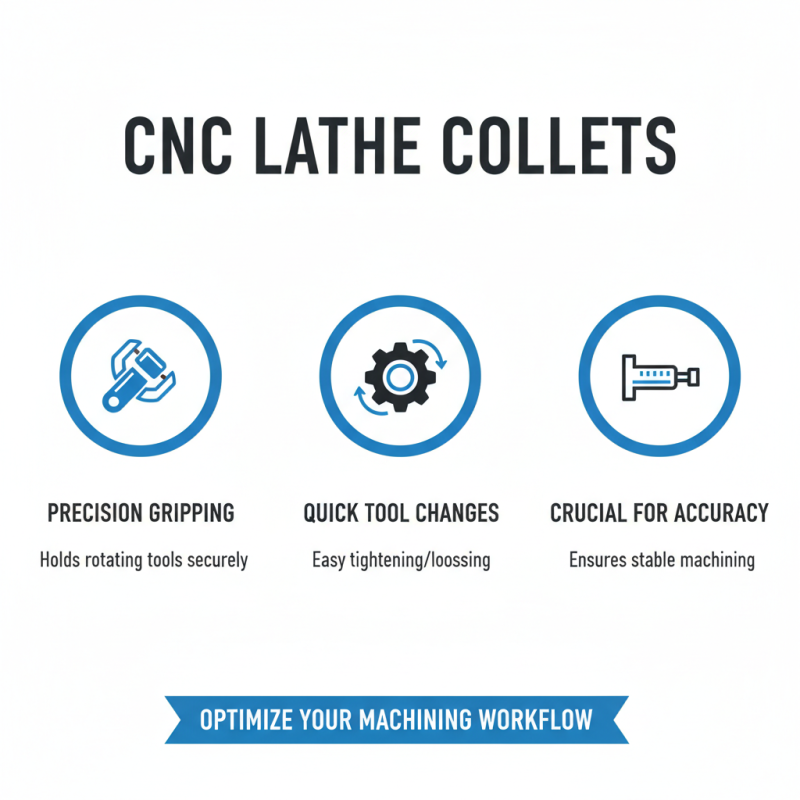
What is a Cnc Lathe Collet and How Does it Work?
Cnc Lathe Collet is an essential tool in the machining world. It provides a reliable way to hold workpieces securely. This method allows for precision and efficiency in various machining tasks.
Understanding how a Cnc Lathe Collet operates is key to maximizing its potential. The collet grips the material firmly, preventing slip during rotation. Yet, it requires proper adjustment and maintenance for optimal performance. Neglect can lead to inaccuracies and damage.
Many machine operators overlook the importance of this component. They might assume any holding method will suffice, but that’s a misconception. A well-fitted Cnc Lathe Collet is crucial for achieving quality results. Its versatility makes it a favorite among machinists, but it’s not always perfect. Always reflect on your setup and make necessary adjustments for the best output.
What is a CNC Lathe Collet?
A CNC lathe collet is a crucial component in machining. It is designed to hold workpieces securely during the manufacturing process. Collets provide precise grip and alignment, ensuring high-quality results. Unlike traditional chucks, collets distribute pressure evenly around the workpiece, reducing the risk of damage.
Collets come in various sizes and shapes, making them versatile for different applications. According to industry reports, using collets can improve machining accuracy by up to 20%. This precision is vital in industries where even slight errors can lead to significant costs. Proper selection of collets is key. Factors like material type and size impact performance.
Tips: Regularly inspect collets for wear. A worn collet can affect grip strength. Always clean the collet to remove debris. This simple step can enhance performance.
Despite their benefits, collets can sometimes be finicky. They require precise installation. An incorrectly mounted collet may lead to vibrations. These vibrations can degrade workpiece quality. Acknowledge these challenges and learn from them.
How CNC Lathe Collets Secure Workpieces
CNC lathe collets are essential for securing workpieces in machining operations. They are designed to provide a firm grip on cylindrical objects. This means that the workpiece remains stable throughout the manufacturing process. Collets can hold different sizes and shapes, but proper matching is crucial for optimal performance.
According to industry reports, about 70% of machining failures can be attributed to improper workpiece clamping. This underscores the importance of using high-quality collets. When a collet fits perfectly, it minimizes vibrations. This influence leads to increased accuracy. On the other hand, a poor fit can cause significant issues, like tool wear and dimensional inaccuracies.
Collets utilize a tapered design, which enhances their clamping force as they tighten. A study revealed that properly tensioned collets can increase the holding force by up to 40%. Yet, even minor errors in alignment can compromise this effectiveness. Users should regularly inspect collets for wear and damage. This vigilance can help prevent accidents that arise from part slippage. Overall, while CNC lathe collets are reliable, they require careful handling and maintenance for the best results.
Bar Chart: Types of CNC Lathe Collets
The Benefits of Using CNC Lathe Collets in Machining
Using CNC lathe collets offers several advantages in modern machining processes. Collets provide high precision and consistency, crucial for high-quality production. According to a recent industry report, using collets can improve setup times by up to 40%. This efficiency translates into significant cost savings. Precision is not only about tight tolerances; it impacts the overall production cycle.
CNC lathe collets grip workpieces with uniform pressure. This uniformity reduces the chances of deformation during machining. A study indicated that collets can achieve clamping accuracy of 0.005 mm. For intricate designs, this level of precision is essential. Moreover, collets can handle a wide range of materials, from metals to plastics, making them versatile.
Tips: Always inspect your collets for wear. Regular maintenance can prolong their life. Consider switching materials if chattering occurs during operations. The choice of collet size also matters. Ensure you have the right collet for your workpiece to avoid slipping or misalignment. Sometimes, less is more. Avoid over-tightening which can lead to damage or reduced accuracy. Emphasizing these details can enhance your machining experience greatly.
What is a Cnc Lathe Collet and How Does it Work?
| Dimension |
Description |
Benefits |
| Size |
Collets come in various sizes to accommodate different workpiece diameters. |
Versatility in gripping different materials. |
| Material |
Common materials include hardened steel, aluminum, and plastic composites. |
Increased durability and resistance to wear. |
| Precision |
Collets provide high precision with low runout tolerance. |
Enhanced part accuracy and finish quality. |
| Ease of Use |
Quickly tightened and released using a drawbar mechanism. |
Reduced setup time for machining operations. |
| Application |
Used in turning, milling, and grinding operations. |
Adaptable to different machining tasks. |
Common Applications of CNC Lathe Collets in Industry
CNC lathe collets play a crucial role in precision machining. They hold the workpieces securely in place during turning operations. This is vital for achieving dimensional accuracy and surface finish.
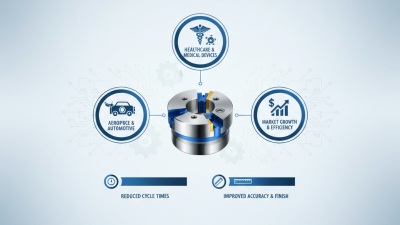
Common applications of CNC lathe collets can be seen in various industries. In automotive manufacturing, they help machine components like crankshafts and camshafts. Medical device production also benefits from collets. They keep delicate parts stable while being machined. Aerospace parts often require high precision. Collets provide the necessary grip for these challenging tasks.
**Tips:** Always choose the right size collet for your workpiece. A loose fit can lead to vibrations that affect accuracy. Regularly inspect collets for wear. Worn collets can cause defects in the finished product. Using the correct torque settings is also important to avoid damaging the collet.
One must consider the limitations of collets as well. They may not be suitable for all shapes or sizes. Irregularly shaped workpieces can be tricky to secure. Experimenting with different collet types can lead to better results in certain situations. Understanding these aspects improves machining effectiveness.