Why is Compressed Air Treatment Essential for Industrial Efficiency?
Compressed Air Treatment is a critical component for enhancing industrial efficiency. According to a report by the Compressed Air and Gas Institute (CAGI), improper air treatment can lead to energy losses of up to 30%. This staggering figure highlights the need for effective systems in managing compressed air. Industry experts emphasize the importance of clean and dry air for optimal operation, as contaminants can cause significant damage to equipment.
Dr. Emily Thompson, a renowned expert in the field, states, "Without proper Compressed Air Treatment, industries risk not only their equipment but also their productivity." Such insights reveal the ongoing challenges faced by many organizations. Many still overlook the maintenance of their compressed air systems, leading to costly downtimes and inefficiencies.
Real-world case studies show that investing in proper air treatment systems yields a significant return on investment. Companies reported reduced maintenance costs and improved operational performance. However, there remains a constant need for improvement and awareness. Evaluating existing treatment processes is essential for companies striving to maximize their efficiency and reduce wastage.
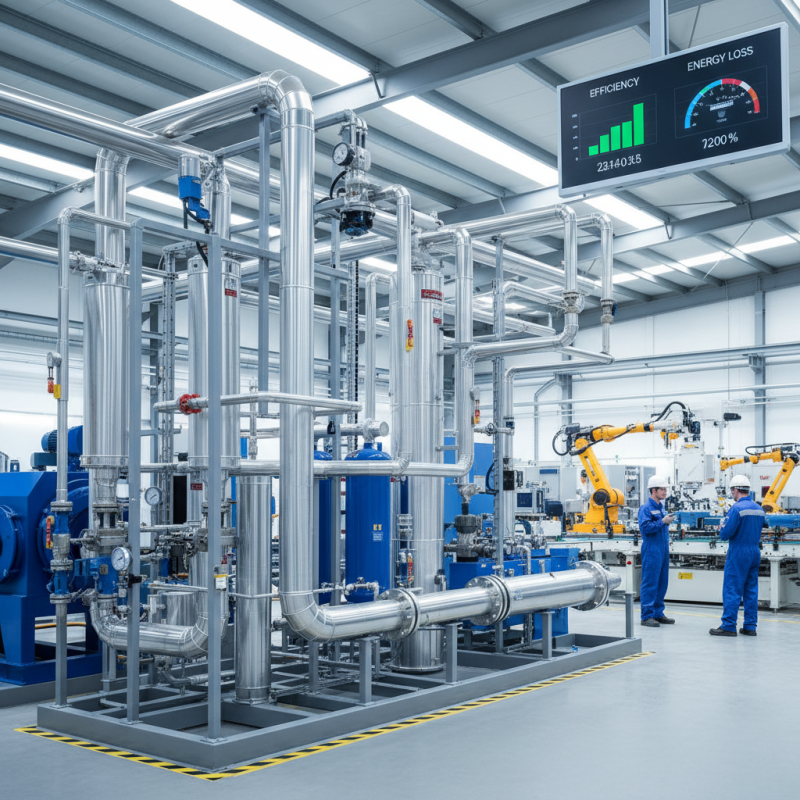
Importance of Compressed Air Treatment in Industrial Processes
Compressed air is vital in many industrial operations. Without proper treatment, air quality can significantly decline. Contaminants in compressed air can lead to equipment failures. According to a report by the Compressed Air and Gas Institute, nearly 70% of industrial air systems waste energy due to inadequate treatment. High moisture levels can cause corrosion, affecting machinery longevity.
Implementing proper compressed air treatment can enhance efficiency. Filter systems and dryers can eliminate moisture, oil, and particles. Industry studies show that a well-maintained system can improve energy efficiency by up to 30%. This practice not only reduces operational costs but also extends the lifespan of machinery.
**Tips:** Regularly inspect and maintain your compressed air system. Monitoring humidity levels can prevent costly breakdowns. Additionally, invest in appropriate air filtration systems tailored to your specific industry needs. Identifying weaknesses in your air treatment can lead to unexpected improvements. Regular training for staff on best practices in air management is essential for maximizing efficiency.
Common Contaminants in Compressed Air and Their Effects
Compressed air systems are vital in industrial processes, yet they can often be contaminated. Common contaminants include water, oil, and dust. A report from the Compressed Air and Gas Institute (CAGI) indicates that contaminated compressed air can reduce efficiency by up to 30%. This not only drives up energy costs but also affects product quality.
Water, a primary contaminant, can cause corrosion in pipes and machinery. Data suggests that even small amounts of moisture can lead to significant operational issues, impacting reliability. Oil can create a film on sensitive equipment, hindering performance and increasing maintenance needs. Dust particles, although often overlooked, can interfere with pneumatic tools, leading to premature wear.
Interestingly, many industries underestimate the critical need for compressed air treatment. A survey from the American Society for Mechanical Engineers found that only 45% of facilities regularly test their air quality. This oversight can result in costly downtimes and reduced product lifespan. Regular maintenance and treatment of compressed air systems is essential but is frequently neglected. It’s a cycle that requires reflection and immediate action for improved efficiency.
Common Contaminants in Compressed Air and Their Effects
This chart illustrates the impact of various contaminants in compressed air on industrial efficiency. Proper treatment is essential to mitigate these effects and ensure optimal performance.
Key Components of Compressed Air Treatment Systems
Compressed air treatment systems play a vital role in industrial efficiency. These systems consist of several key components that ensure effective filtration, drying, and separation of contaminants. The primary components include filters, dryers, and separators. Filters eliminate particulates and oil, while dryers remove moisture. According to a report by the Compressed Air and Gas Institute, improper air treatment can lead to a 30% increase in energy consumption.
Understanding the importance of each component is essential. For instance, filters must be properly sized. A miscalculated filter can increase pressure drop, leading to higher energy costs. Furthermore, dryers, such as desiccant or refrigerant types, must be selected based on the application’s humidity levels. Many facilities overlook these specifics, leading to inefficiencies.
Regular maintenance of the treatment systems is also crucial. Neglecting routine checks can diminish performance. For example, clogged filters can cause a system failure. Reports suggest that routine maintenance can boost overall system efficiency by up to 20%. Analyzing air quality and system performance often reveals gaps. Addressing these discrepancies ensures reliable operations and longevity in compressed air systems.
Benefits of Proper Compressed Air Treatment for Efficiency and Cost Savings
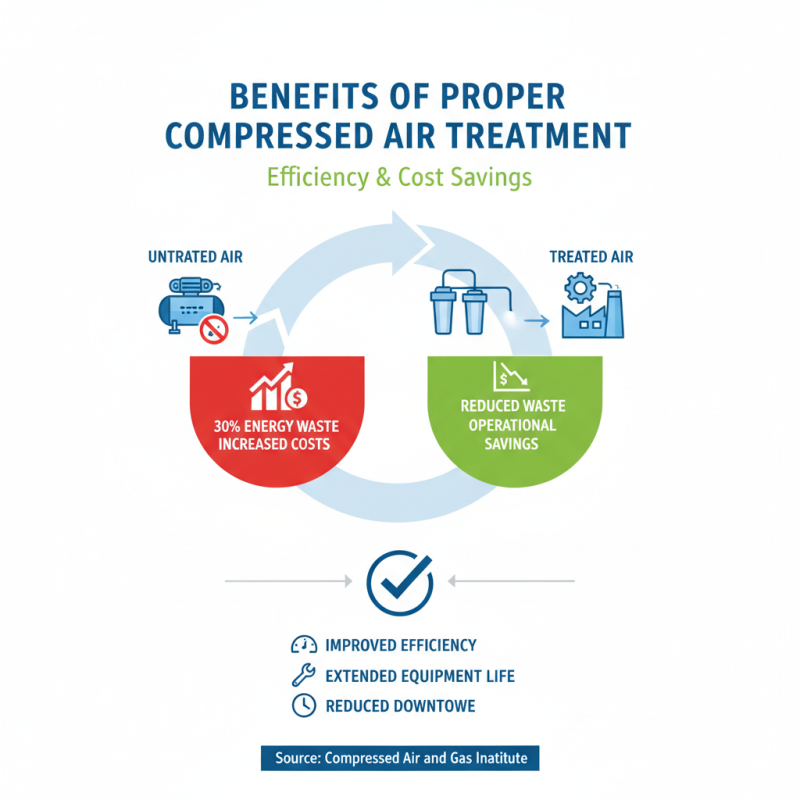
In industrial settings, compressed air is vital for operations. However, improper treatment can lead to inefficiencies. According to the Compressed Air and Gas Institute, almost 30% of energy used in compressed air systems is wasted. This inefficiency directly impacts operational costs.
Proper treatment is not just about filtration. It involves removing moisture, oil, and particulates. A well-maintained system can save up to 20% on energy costs. This saving reflects not only in reduced utility bills but also in extended equipment life. Without proper treatment, machinery faces damage from contaminants. This can lead to costly downtime and repairs, negating any initial savings.
Tip: Regularly inspect and replace filters. Neglecting this can create blockages, increasing energy consumption.
Further, compressed air leaks contribute to significant losses. The U.S. Department of Energy estimates that leaks can account for 20-30% of a compressed air system's output. Addressing these leaks can lead to substantial resource savings. Awareness and regular monitoring are essential in minimizing such issues.
Tip: Use ultrasonic leak detection tools. They can efficiently pinpoint leaks often invisible to the naked eye.
Best Practices for Maintaining Compressed Air Quality in Industry
Compressed air is a vital resource in many industrial settings, yet maintaining its quality is often overlooked. Poorly maintained compressed air systems can lead to significant efficiency losses. According to a report by the U.S. Department of Energy, up to 30% of compressed air is wasted due to leaks and inadequate treatment. This waste not only increases energy costs but can compromise product quality.
To maintain compressed air quality, routine inspections and proper filtration are key practices. Implementing a monitoring system helps detect contaminants and moisture early. According to a survey by the Compressed Air and Gas Institute, industries that prioritize air treatment systems saw a 20% reduction in maintenance costs. Regularly replacing filters can prevent moisture and particles from damaging equipment.
**Tip:** Schedule bi-monthly checks of your air treatment equipment. This simple step can save you funds in the long run.
Finally, training staff to identify and report issues contributes to better air quality. An informed team can mitigate problems that arise from poor air treatment. Consider setting up awareness workshops to educate employees on the importance of compressed air quality and its impact on operations.
**Tip:** Empower your team to become champions of air quality by encouraging feedback and suggestions. Small changes can lead to significant results.