Why Choose Dead Length Collets for Precision Machining?
In the realm of precision machining, Dead Length Collets have emerged as a critical tool. These collets offer superior accuracy and stability, essential for high-tolerance applications. According to a report by the Precision Machining Association, over 70% of manufacturers prefer Dead Length Collets for consistent performance. Expert engineer Dr. Thomas Reynolds suggests, “The stability offered by Dead Length Collets significantly reduces the tolerance stack-up issues we often face.”
Dead Length Collets allow for repeatable positioning without internal movement. This capability minimizes the risk of errors during machining processes. Many users report a noticeable increase in productivity and a decrease in scrap rates. In an industry where precision is paramount, such advantages cannot be overlooked. However, the upfront cost can be a concern for some manufacturers.
While the benefits are clear, not every shop may need this advanced technology. Smaller operations might find alternative options more cost-effective. Choosing to invest in Dead Length Collets requires careful consideration of production demands. Striking the right balance between precision and cost is an ongoing challenge for many in the machining field.
Understanding Dead Length Collets and Their Functionality
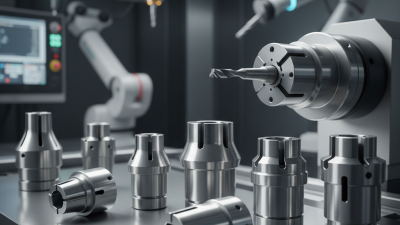
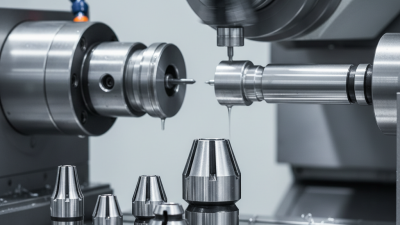
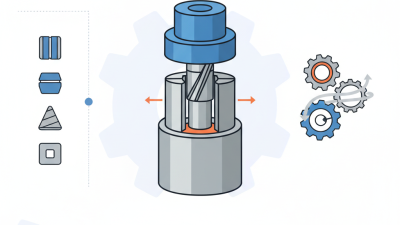
Dead length collets play an essential role in precision machining. They offer a reliable way to secure workpieces without any movement during the machining process. By maintaining a fixed length regardless of clamping force, they ensure accuracy in every cut. This feature is crucial for industries where precision is non-negotiable.
When using dead length collets, the design enables consistent engagement with the workpiece. Traditional collets may compress and expand, leading to fluctuations in measurements. In contrast, dead length collets provide stability. This stability minimizes the risk of errors, especially in tight tolerances, which is vital when manufacturing components for aerospace or medical applications.
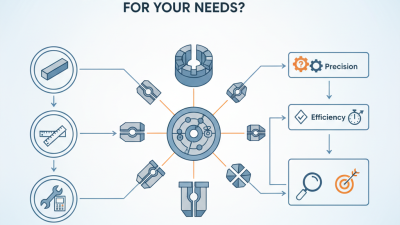
However, the selection of dead length collets requires thoughtful consideration. Not all applications benefit equally from this technology. Factors such as material type and workpiece shape can influence performance. It’s important to evaluate specific requirements before deciding on their use. Exploring the strengths and weaknesses of different collet systems is essential for any machinist dedicated to achieving optimal results.
Key Advantages of Using Dead Length Collets in Precision Machining
Dead length collets are essential tools in precision machining, offering unique advantages that set them apart from other clamping methods. One key benefit is their ability to maintain consistent workpiece location. This means the collet holds the material securely without shifting during machining operations. Consequently, operators can achieve tighter tolerances and reduced cycle times.
Another advantage lies in their versatility. Dead length collets can accommodate various part sizes with minimal adjustments, saving time on setup. They excel in applications where precision is crucial, such as in the aerospace and medical sectors. However, it's important to recognize their limitations. Occasionally, they may not perform as expected with certain materials or geometries, necessitating operator discretion.
The implementation of dead length collets requires careful consideration of machining processes. While they are reliable, improper use can lead to inaccuracies. Users must ensure proper alignment and consistent pressure. Reflecting on these factors can enhance machining outcomes. Selecting the right equipment and understanding its capabilities are vital for maximizing production efficiency and quality.
Comparative Analysis: Dead Length Collets vs. Traditional Collets
Dead length collets are gaining popularity in precision machining, largely due to their unique benefits. Unlike traditional collets, dead length collets hold the workpiece in a fixed position throughout the machining process. This stability enhances repeatability and accuracy in operations. The gripping force is evenly distributed, reducing the risk of workpiece deformation, which is crucial for intricate components.
In contrast, traditional collets may create more variability during machining. They generally require a more complex setup. This complexity can lead to errors that impact the final product quality. While traditional collets can be versatile, they might not offer the same level of accuracy. This can be a trade-off for machinists focused on tight tolerances and precise measurements.
One area for reflection involves the choice of collet type based on specific machining requirements. Each collet type has its strengths and weaknesses depending on the materials and configurations. Understanding these nuances is key. Utilizing dead length collets may lead to higher initial costs, but their efficiency could justify the investment in the long run. Evaluating the needs of a project is vital for achieving the best outcomes.
Applications of Dead Length Collets in Various Industries
Dead length collets offer precision and reliability in various machining applications across diverse industries. These specialized fixtures ensure that workpieces are held securely during the machining process. This is especially critical in the automotive sector, where components must meet strict tolerances. According to a report from the Precision Manufacturing Association, using dead length collets can reduce downtimes by up to 30% due to minimized rework and enhanced stability.
In the aerospace industry, where part integrity is paramount, dead length collets play a crucial role. They ensure that thin-walled structures maintain their shape during machining. Research from the Aerospace Manufacturing Institute highlights that up to 40% of aerospace production uses such collets, improving precision in surface finishes. This efficiency can lead to substantial cost savings, as parts become less prone to defects.
Medical device manufacturers also benefit from the use of dead length collets. With intricate designs and strict regulatory requirements, the precision they provide becomes invaluable. An industry study indicates that companies utilizing these collets report a 25% decrease in testing phase failures. Yet, it’s important to reflect on potential drawbacks, such as the initial setup time for collet alignment, which can briefly stall productivity. Nonetheless, the advantages often outweigh these concerns.
Why Choose Dead Length Collets for Precision Machining? - Applications of Dead Length Collets in Various Industries
| Industry |
Application |
Benefits of Dead Length Collets |
| Aerospace |
High-precision component machining |
Enhanced accuracy and repeatability |
| Automotive |
Manufacturing of shafts and gears |
Reduced run-out and improved surface finish |
| Medical Devices |
Production of surgical instruments |
Consistent quality and precision |
| Electronics |
Manufacturing of connectors and enclosures |
Minimized part distortion |
| Defense |
Machining of weapons components |
Precision for critical applications |
Maintenance and Best Practices for Dead Length Collet Usage
Dead length collets are essential for precision machining. Their design minimizes runout, ensuring higher accuracy in production. Regular maintenance is crucial for these tools to perform optimally. Experts recommend cleaning the collet after every use to remove debris and contaminants. This practice enhances gripping strength and overall performance.
Tips: Regularly inspect collets for wear. Replace them if you notice significant damage.
Lubrication is another key factor. Use appropriate lubricants to prevent corrosion and ensure smooth operation. Over-lubrication can attract dust and grime, leading to malfunctions. According to industry reports, proper maintenance can extend tool life by up to 30%.
Tips: Keep your workspace organized to avoid damaging the collets. Store them in a dedicated case when not in use.
Ultimately, consistent upkeep not only improves the quality of work but also contributes to production efficiency. Ignoring maintenance might lead to costly downtime. A well-maintained collet can significantly reduce the frequency of replacements. An effective maintenance routine should prioritize checks, cleaning, and lubrication to uphold accuracy and reliability.
Why Choose Dead Length Collets for Precision Machining?
Dead length collets offer superior performance in precision machining, as illustrated in the chart. The high ratings in tension and stability make them a preferred choice, while flexibility and maintenance frequency show moderate scores, indicating areas for improvement.