Leave Your Message

How to Choose the Right Extension Rod for Your Needs?

Choosing the right Extension Rod begins with understanding the task, not the product label. A rod for window cleaning faces different demands than one used for photography, painting, or light household maintenance. Length, load capacity, grip comfort, and connection type all affect performance. Small details matter.

Measure the working height first. Then consider the user’s reach, storage space, and frequency of use. A longer rod may seem convenient, but excessive length can create flex, vibration, and poor control. A shorter model may feel stable, yet require awkward stretching. That choice matters. Check the manufacturer’s stated load rating, locking method, and material before purchasing. Aluminum is lightweight and practical, while fiberglass can offer useful insulation and reduced electrical conductivity, although it still requires careful handling around power sources. Carbon fiber may reduce weight, but it often costs more and can be less forgiving under impact.

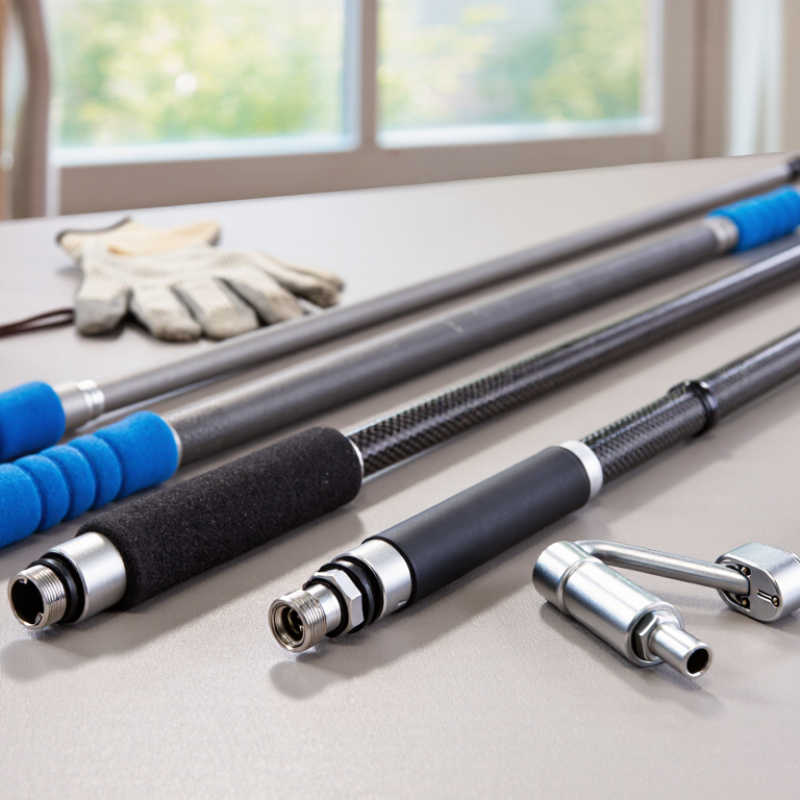
Look closely at the joints. Threaded sections, twist locks, and lever locks each provide different handling experiences. Test whether the sections tighten smoothly and remain secure during movement. A comfortable foam or rubber grip can reduce fatigue during repeated work. The attachment fitting must also match your tools; adapters can help, but loose connections reduce safety and accuracy. Avoid choosing by maximum length alone. In real use, balance often matters more. Even experienced buyers can misjudge this point. A rod that looks impressive in a catalog may feel unstable at full extension. Choose a model that suits your actual task, working environment, and maintenance habits. Reliable selection comes from careful measurements, honest expectations, and attention to small mechanical details.
How to Choose the Right Extension Rod for Your Needs?

Understanding Extension Rod Types and Their Main Uses

How to Choose the Right Extension Rod for Your Needs?

Extension rods are not one universal tool. Their design determines where they work best. Telescopic rods collapse into shorter sections, making them useful for cleaning, painting, photography, and light inspection tasks. Threaded rods connect with compatible fittings. They often support measuring tools, camera accessories, or specialized attachments. Spring-tension rods stay in place through pressure. They suit lightweight curtains, temporary barriers, and indoor storage solutions. Rigid rods provide better stability but require more storage space.

The intended load should guide your choice. Measure the required reach before buying. Check the attachment size carefully. A cleaning pole may need a lightweight aluminum shaft, while a support rod may require stronger steel or reinforced composite material. Locking systems also matter. Twist locks are quick, but they can loosen when covered with dust. Clamp locks usually provide firmer control. Always inspect the joints for cracks, sharp edges, or uneven movement.

I once selected a long telescopic rod because it looked convenient. It flexed badly under a small attachment. That choice worked poorly. A shorter, stiffer rod would have been safer and easier to control. This is an easy mistake to repeat. Test the rod at full extension, not only when collapsed. Hold it horizontally for a few seconds. If the sections bend, slip, or feel unstable, choose a stronger design. Manufacturers’ load ratings are useful, but real handling conditions still deserve careful judgment.
Assessing Length, Reach, and Adjustment Requirements

Choosing the right extension rod begins with measuring the actual reach you need. Measure from your standing position to the target, not from the floor. This prevents buying an unnecessarily long rod. A ceiling corner may need 1.5 meters, while a high shelf may need only 80 centimeters.

Length affects control. Longer rods can reach farther, but they also flex more and feel heavier. For delicate tasks, choose a shorter model with firm control. For outdoor work, allow extra reach for uneven ground or obstacles. Check the fully extended length, collapsed length, and usable reach. These figures are not always identical. I once selected a rod by its maximum length alone. It reached the target, but storage became awkward.

Tips: Extend the rod gradually. Test each locking section before use. A twist lock should feel secure, not loose or gritty. A lever lock should close firmly without excessive force. Hold the rod at different angles, especially above shoulder height. If your wrist bends sharply, the rod is probably too long. Consider the attachment weight too. A heavy tool can make a balanced rod feel unstable. When adjustment speed matters, choose fewer sections. When compact storage matters, more sections may help. The best choice is rarely the longest option; it is the one that gives steady reach without tiring your hands.

Choosing the Right Material, Weight, and Durability

How to Choose the Right Extension Rod for Your Needs?

Material controls weight, stiffness, corrosion resistance, and handling comfort. Aluminum suits most household extension rods because it is light and resists ordinary moisture. The U.S. Department of Energy reports that recycled aluminum requires about 95% less energy than primary aluminum. That matters when material impact influences your purchase. Steel offers greater rigidity, but its density is about 7.85 g/cm³, compared with aluminum’s 2.70 g/cm³. It can feel tiring after several minutes. Composite rods reduce weight further, but damage may hide beneath the surface.

Weight should match the task, not just the advertised maximum length. A long rod creates more leverage at the handle and joints. Test it fully extended, if possible. Hold it horizontally for thirty seconds. Notice wrist strain and visible bending. My own first choice was too light. That was a mistake. Excessive flexibility made accurate positioning difficult. A slightly heavier rod performed better.

Durability depends on more than tube material. Inspect locking collars, end fittings, seams, and grip texture. Choose reinforced joints for repeated extension cycles. For damp or coastal work, ask for corrosion-test information. ISO 9227 defines neutral salt-spray testing, although laboratory results cannot perfectly predict daily use. The 2024 Consumer Product Safety Commission injury data also reinforce a practical point: unstable handling increases risk during elevated tasks. Replace rods with cracked sections, slipping locks, or permanent bends. Cheap weight savings can become expensive quickly.

Checking Compatibility, Stability, and Safety Features

How to Choose the Right Extension Rod for Your Needs?

Checking Compatibility, Stability, and Safety Features

Compatibility

Compatibility should guide your choice before length or appearance. Check the rod’s diameter, thread size, connector type, and rated load. A small mismatch can cause wobbling or stripped threads. Measure the attachment point with a ruler, not by guesswork. Also confirm the rod supports your equipment’s weight, including accessories. I once assumed two similar connectors would fit, but their thread pitches were different.

Stability

Stability depends on more than a strong material. A fully extended rod usually flexes more, especially under vibration or side pressure. Choose the shortest length that reaches your target. Lock each section firmly, then test it with gentle hand pressure. A wide base, anti-slip feet, and a secure locking pin can improve control on smooth floors. Check the center of gravity, too. Heavy equipment placed high can tip unexpectedly.

Safety Features

Safety features deserve careful inspection. Look for clear load markings, durable joints, and a secondary retention method when available. Avoid using a damaged rod, even if the crack seems minor. Follow the equipment maker’s instructions and inspect the rod before every use. Outdoor conditions need extra caution. Wind, moisture, and uneven ground can reduce stability quickly. I still recheck connections after setup, because a tight feeling is not proof of a secure fit.

Matching the Rod to Your Budget and Intended Application

Choosing the Right Extension Rod for Your Needs

Your intended application should guide the purchase before price does. A rod for dusting high shelves needs light weight and comfortable reach. A rod for camera support, painting, or outdoor tools may require stronger joints and better balance. Measure the working height, then add only the reach you can control safely. Extra length sounds useful. It can become awkward.

Budget affects material, locking design, and service life. Basic aluminum rods suit occasional indoor tasks and usually remain easy to carry. Fiberglass or reinforced designs may handle rougher conditions, but they often cost more. Check the locking mechanism carefully. Twist locks are compact, while lever locks can feel faster with gloves. Neither option is perfect. I once focused too much on maximum length and ignored grip comfort, which made a simple job tiring.

Think about storage and replacement parts too. A collapsible rod may fit inside a narrow cupboard, but repeated folding can expose weak connection points. For frequent use, choose a model with a firm handle, stable sections, and clear load guidance. Do not exceed the stated capacity, especially when the rod holds a tool overhead. If your work involves moisture, inspect the joints after use and let them dry fully. Spending slightly more can be sensible when failure would damage equipment or interrupt regular work. Still, the most expensive rod may be unnecessary for a few minutes of light household use.

How to Choose the Right Extension Rod for Your Needs?

Match the rod to your budget and intended application. The comparison below uses typical market price ranges and practical working reach for common extension-rod materials.

Selection guide: Aluminum rods are usually the most budget-friendly choice for light household work. Fiberglass offers better electrical insulation and durability for maintenance tasks. Carbon fiber provides the longest reach with lower weight, but it generally costs more.