What is a Milling Chuck Collet and How to Choose One?
The milling chuck collet plays a vital role in machining and manufacturing processes. According to a study by MarketsandMarkets, the global milling tools market is projected to reach $22 billion by 2026, highlighting the growing importance of precision tooling. A well-chosen milling chuck collet enhances accuracy, reduces vibrations, and ultimately improves the quality of the machined parts.
Selecting the right milling chuck collet involves understanding its specifications and compatibility with various tools. Data from the Association of Manufacturing Technology indicates that improper collet selection can lead to a 20% reduction in tool life. This suggests that attention to detail is crucial in achieving optimal performance.
Moreover, there are various materials and designs available for milling chuck collets. The choice might seem overwhelming, leading to potential mistakes in selection. Each type offers specific advantages that may not be immediately evident. Being aware of these differences allows for better decision-making, ensuring that manufacturers can avoid costly errors and enhance productivity.
What is a Milling Chuck Collet and Its Purpose in Machining?
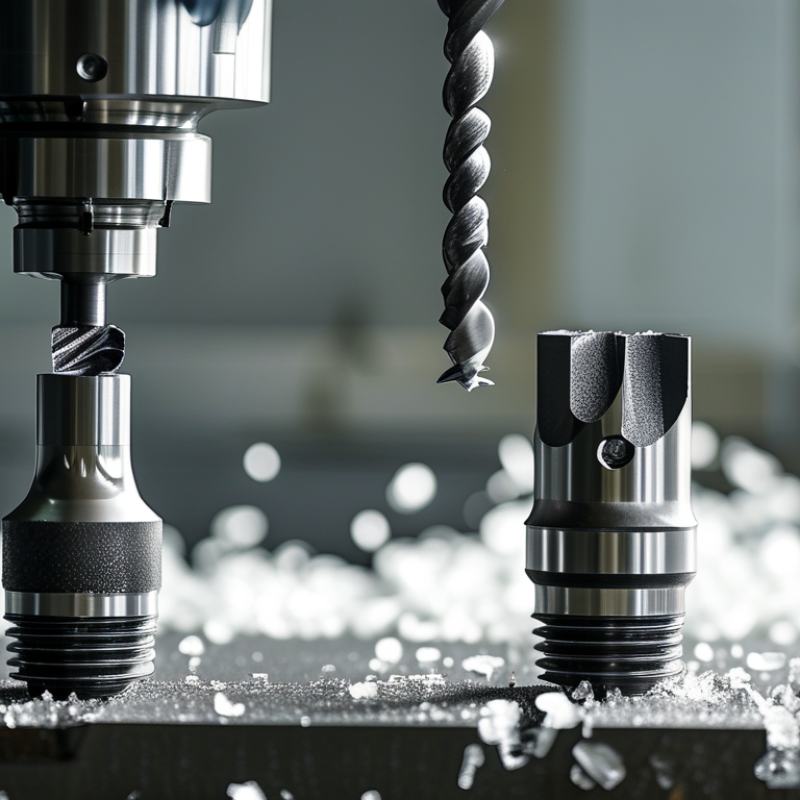
A milling chuck collet is a crucial component in machining operations. It secures cutting tools tightly within the spindle of a milling machine. This tool holds various bits, ensuring precision and stability during milling. The design allows for easy tool changes, making it efficient for different tasks. Selecting the right collet is essential for optimal performance.
When choosing a milling chuck collet, consider the diameter and type of tool you plan to use. Different materials, such as steel or carbide, require specific collet types. Compatibility with your milling machine is vital. An ill-fitting collet can lead to tool slippage or poor surface finishes. It's important to check for wear or damage regularly.
Many users overlook the importance of maintaining the collet. A dirty or worn collet can affect machining quality. Reflect on your choice; sometimes, investing in a high-quality collet pays off in the long run. Prioritize precision and reliability for successful machining projects.
Types of Milling Chuck Collets: A Comprehensive Overview
Milling chuck collets play a critical role in precision machining. They securely hold tools in place for consistent performance. The right choice significantly affects the accuracy of your work. There are various types of collets available, each designed for specific applications. Understanding these differences is essential.
One common type is the ER collet. It provides versatility and accommodates various tool sizes. Another option is the SG collet, ideal for high-speed operations. Each collet has unique features and specifications. It's crucial to check compatibility with your milling machine. Many users overlook this aspect, leading to inefficiencies.
Choosing the perfect milling chuck collet involves several considerations. Think about your machining needs and the materials you will work with. Some collets excel in gripping force but may lack flexibility. Others offer the opposite. Identify your priorities: is it precision, speed, or material versatility?
Key Factors to Consider When Choosing a Milling Chuck Collet
When selecting a milling chuck collet, several key factors come into play. First, consider the size of the collet. It should match the tool shank's diameter precisely. A mismatch can lead to tool slippage, impacting precision. It's also essential to assess the collet's grip range. Some collets can handle various sizes, offering versatility. However, wide grip ranges may compromise rigidity. It’s wise to balance flexibility and stability.
Next, the material of the collet matters significantly. Common materials include high-speed steel and alloy steel. High-speed steel is durable and offers excellent wear resistance. On the other hand, alloy steel often provides better shock absorption. Understanding the application can guide your choice here. Additionally, check the collet's taper compatibility. Taper styles affect how the collet fits into the spindle, which influences performance.
Lastly, always pay attention to the collet's runout. Even slight imperfections can create issues in machining accuracy. Regularly checking runout can prevent unexpected problems. Choosing the right milling chuck collet demands careful thought. It’s about finding that perfect balance of features and ensuring reliability in your machining tasks.
Comparison of Different Milling Chuck Collets
This bar chart compares key characteristics of milling chuck collets. The dimensions represent various factors considered when choosing a milling chuck collet, such as material quality, size options, grip strength, accuracy, and cost. Each factor is rated on a scale from 1 to 10, indicating its significance in selection.
How to Properly Install and Maintain a Milling Chuck Collet
Choosing the right milling chuck collet is crucial for precision machining. Proper installation and maintenance are vital to performance. A well-maintained collet can significantly improve tool life, reducing costs by up to 20%, according to recent industry reports.
To install a milling chuck collet, begin by cleaning the collet and spindle thoroughly. Any debris can lead to misalignment. Place the collet into the chuck and ensure it is seated properly. A tap or gentle twist can help with alignment. Remember, improper installation can cause runout, affecting accuracy and finishing quality.
Tips: Always inspect the collet for wear or damage before installation. Look for cracks or chips that can compromise performance. Regular lubricating of the collet and chuck can extend their lifespan. Additionally, avoid over-tightening, which can result in deformation.
Check the alignment frequently. Misaligned tools can cause chatter and vibrations, leading to surface imperfections. Regular maintenance practices can enhance productivity and ensure that the equipment operates efficiently. Monitor the temperature during operation. Excess heat can indicate issues with the collet or chuck.
Making these small adjustments can lead to significant improvements in machining outcomes.
Common Applications and Benefits of Using Milling Chuck Collets
Milling chuck collets are essential tools in machining. They securely hold cutting tools, ensuring precision and stability. In recent years, studies indicate that using high-quality collets can enhance machining efficiency by up to 30%. This directly benefits industries ranging from aerospace to automotive, where precision is crucial.
Common applications for milling chuck collets include CNC milling and drilling operations. These collets allow for quick tool changes and reduce downtime. Furthermore, their ability to minimize tool vibration can improve surface finish quality. Many machinists report that precise collet selection can lead to increased tool life as well.
Choosing the right milling chuck collet requires careful consideration. Factors such as material compatibility and tool size are crucial. Some users often overlook the importance of maintaining a clean taper surface. A dirty or damaged taper can lead to poor clamping force, affecting overall machining performance. This aspect emphasizes the need for regular maintenance and periodic checks. It's essential to evaluate your workflow to choose the best collet for your specific applications.