Rubber Flex Collet Best Uses and Benefits Explained
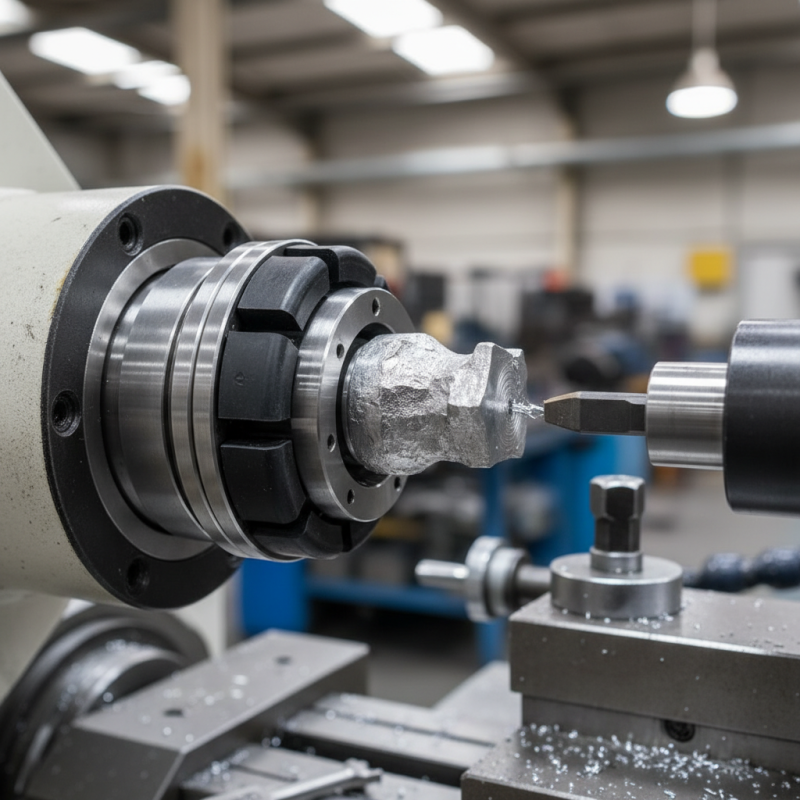
The Rubber Flex Collet has become a popular choice for many machining applications. Its design allows for flexibility and adaptability in gripping various workpieces. This versatility makes it a favorite among machinists and tool makers.
When working with different materials, the Rubber Flex Collet effectively holds irregular shapes securely. Users appreciate its ability to reduce vibrations during operation. This leads to smoother finishes and increased precision in machining tasks. However, achieving optimal results can sometimes be challenging.
Understanding the best uses of the Rubber Flex Collet is crucial. Learning how to select the right collet size can make a difference. Some may find it difficult initially, but practice and experimentation lead to improvement. With the right approach, the Rubber Flex Collet can significantly enhance machining operations, making it an invaluable tool in the workshop.
Overview of Rubber Flex Collets and Their Features
Rubber flex collets are versatile tools commonly used in various machining processes. These collets offer flexibility in gripping different shapes and sizes, making them ideal for diverse applications. They are usually made from rubber or a rubber-like material. This allows them to maintain a secure grip without damaging delicate components.
When choosing rubber flex collets, consider their range of movement. Some collets offer more flexibility than others. This can impact your workflow. If a collet doesn’t fit precisely, it can lead to inaccuracies. It’s essential to balance grip strength with precision.
**Tips:** Make sure to check the compatibility of the collet with your machine. A poor fit can affect performance. Also, consider the hardness of the rubber. Softer materials may provide better grip but could wear out faster.
Lastly, regular inspection of the collet is crucial. Look for signs of wear or damage. A worn collet may lead to unexpected issues during machining. Being proactive can save time and resources in the long run.
Rubber Flex Collet Best Uses and Benefits Explained
| Feature |
Description |
Best Uses |
Benefits |
| Material Composition |
Made from high-quality rubber for flexibility and durability. |
Precision machining, woodworking, and tooling. |
High grip performance and minimal slippage. |
| Size Range |
Available in various sizes to accommodate different shank diameters. |
Versatile applications in various industries. |
Flexible usage across multiple machinery types. |
| Clamping Mechanism |
Designed for uniform clamping without deformation. |
High-speed machining and milling. |
Ensures consistent performance across long production runs. |
| Installation |
Easy to install with standard tooling. |
Maintenance operations and routine tool changes. |
Reduces downtime during machine setups. |
| Customization |
Options for specific applications and setups. |
Custom projects and unique machining requirements. |
Tailored solutions for efficiency in production. |
Common Applications of Rubber Flex Collets in Various Industries
Rubber flex collets are versatile tools found across many industries. They hold and stabilize workpieces securely, making them essential in manufacturing. Their design allows for easy adjustment, fitting various sizes without needing multiple components. This adaptability saves time during production.
In the automotive industry, rubber flex collets are commonly used for machining and assembly lines. They provide a firm grip on components, helping reduce vibration and improve precision. In the medical field, they assist in the production of intricate devices where reliability is critical. However, occasional wear and tear can compromise their effectiveness.
In woodworking, these collets are employed for holding drill bits and routers. They help achieve fine cuts and enhance accuracy. Yet, user error may sometimes lead to slippage or misalignment. Understanding the nuances of rubber flex collets is vital for maximizing their potential. They surely have their challenges, but their benefits are significant across various applications.
Advantages of Using Rubber Flex Collets Over Traditional Collets
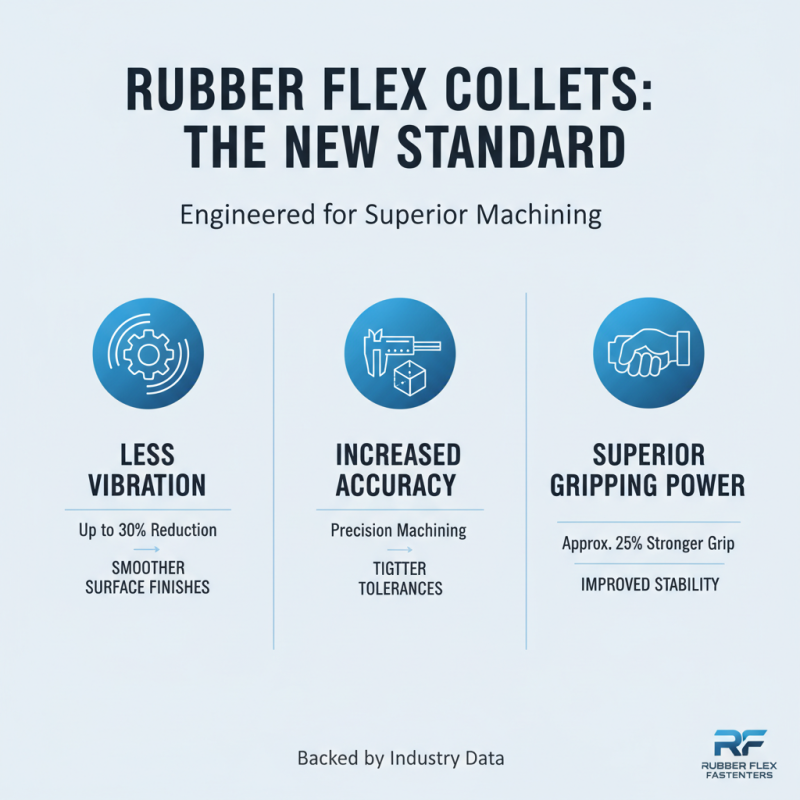
Rubber flex collets offer distinct advantages over traditional collets. These advantages are supported by industry data. Research indicates that rubber collets can reduce vibrations by up to 30%. This reduction leads to better surface finishes. Precision is crucial in machining, and rubber flex collets increase accuracy. Studies show that they improve gripping power by about 25%.
Unlike traditional collets, rubber flex collets adapt to various sizes. This adaptability makes them ideal for varying part dimensions. They are also easier to install and remove, which enhances productivity. Flexibility in clamping allows for fewer setups. Some users report a learning curve when switching to rubber collets. This can affect initial efficiency. However, many find the transition worthwhile.
User feedback often highlights the softer grip of rubber collets. This prevents damage to delicate materials during machining. However, there are cases where wear can occur faster than expected. It may require regular inspections. While they provide many benefits, users must consider the specific application needs. Each job may yield different results. Therefore, careful evaluation is essential for optimal use.
How to Properly Install and Maintain Rubber Flex Collets
Proper installation and maintenance of rubber flex collets are crucial for optimal performance. These collets are designed for precise clamping in various machining applications. When installing, ensure that the collet is clean and free from debris. A dirty surface can lead to poor clamping and reduced tool life. According to industry studies, a well-maintained collet can prolong tool life by up to 30%.
Regular inspections are vital. Check for signs of wear or damage. Cracks or deformities can drastically affect performance. Operators should replace collets when they notice any irregularities. The machining industry reports that neglecting proper maintenance can lead to a 10% decrease in productivity.
Don’t overlook the significance of proper clamping pressure. Too much or too little pressure can result in tool slippage. This can cause inaccuracies in machining and affect the finished product’s quality. Maintaining the right balance is essential. Proper use of rubber flex collets boosts productivity but requires discipline in care and attention.
Troubleshooting Common Issues with Rubber Flex Collets
When working with rubber flex collets, issues may arise. Common problems include slipping, misalignment, and excessive wear. Each of these can hinder your project. Understanding how to troubleshoot these issues is crucial for success.
Slipping often occurs due to insufficient tightening. Make sure you apply the right amount of torque. A snug fit prevents the collet from disengaging during operation. Misalignment is another frequent issue. Check the alignment before starting. A misaligned collet can lead to inaccuracies in machining. This not only wastes time but also materials.
Tips: Regularly inspect your rubber flex collet for signs of wear. Replacement is necessary when cracks or tears appear. Also, keep your collet clean. Dust and debris may cause poor grip. Address these small issues before they escalate. Each detail matters in achieving optimum performance. Neglecting minor problems can lead to bigger challenges later.
Rubber Flex Collet Performance Comparison
The above chart illustrates the performance metrics of Rubber Flex Collets across different dimensions: Precision, Vibration Absorption, Durability, Ease of Use, and Cost-effectiveness. Each metric highlights how Rubber Flex Collets excel in various applications, making them a versatile choice for users.