Top 10 Facts About Lithium Batteries You Should Know?
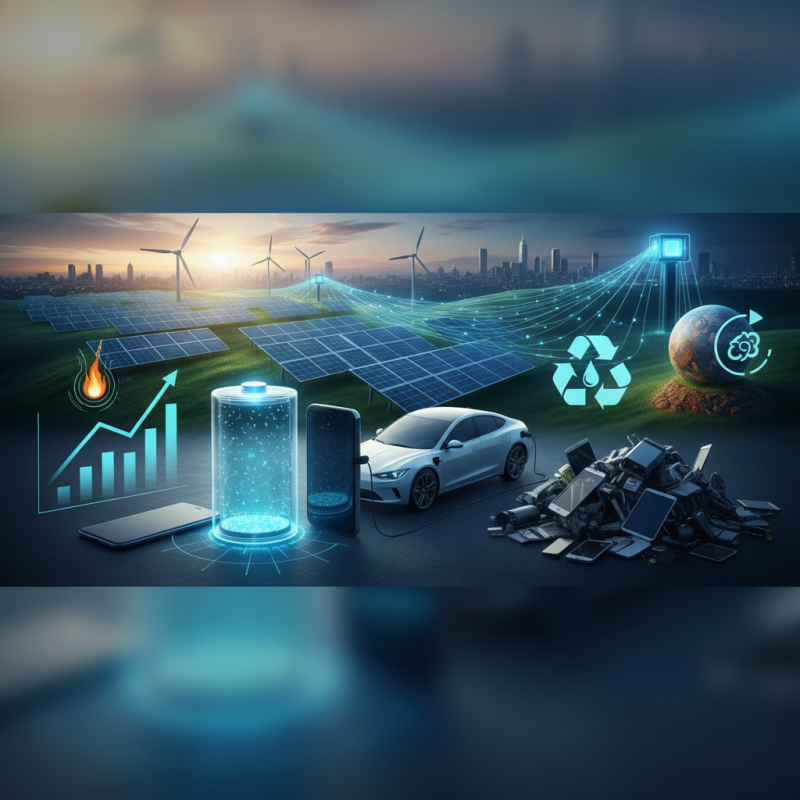
Lithium Batteries are transforming our world. Their efficiency powers our smartphones, electric vehicles, and renewable energy systems. According to a report by ResearchAndMarkets, the global lithium-ion battery market was valued at approximately $36.7 billion in 2020 and is projected to reach $129.3 billion by 2027. This growth reflects a significant shift towards cleaner, sustainable energy solutions.
Despite their benefits, lithium batteries come with challenges. Battery lifespan and environmental impact raise concerns among manufacturers and consumers alike. The scarcity of raw materials, including lithium, complicates production. Furthermore, improper disposal and recycling of lithium batteries pose environmental hazards that cannot be ignored. Many users lack awareness of these issues, emphasizing the need for education.
Lastly, advancements in battery technology continue to emerge. Innovations like solid-state batteries hold promise but are still in development. The transition to safer and more sustainable options is crucial. Awareness of lithium batteries' potential and pitfalls is essential for informed decisions.
What Are Lithium Batteries and How Do They Work?
Lithium batteries are rechargeable power sources used in many devices. They contain lithium ions, which move between the anode and cathode during charging and discharging. This movement generates electric energy. The anode typically consists of graphite, while the cathode is made from lithium metal oxide. The construction is simple yet effective.
When charging a lithium battery, lithium ions travel from the cathode to the anode. This process requires a controlled environment to prevent overheating. If not managed properly, risks like battery failure can occur. Many users overlook this aspect. The battery's lifespan diminishes if charged incorrectly.
The electrolytic solution inside the battery allows ions to flow smoothly. However, this liquid can leak or degrade over time. Regular inspections can help catch issues early. Some users might forget to check. Understanding how these components function can improve battery lifetime and safety. Many rely on these batteries daily without considering their intricate workings.
The Advantages of Lithium Batteries Over Other Battery Types
Lithium batteries stand out among various battery types due to their significant advantages. They offer a higher energy density, storing more energy in a compact space. Data shows that lithium-ion batteries have an energy density of around 150-250 Wh/kg. This is considerably higher than lead-acid batteries, which typically offer only 30-50 Wh/kg. Their lightweight nature makes them ideal for portable devices and electric vehicles.
Another notable advantage is their long cycle life. Lithium batteries can endure hundreds to thousands of charge cycles. According to reports, they last about 2-3 times longer than nickel-cadmium batteries. This longevity reduces the need for frequent replacements, thus lowering overall costs. However, there's a catch. As the demand for lithium batteries grows, concerns about the environmental impact of lithium mining are rising. The extraction process can be harmful, requiring careful management to prevent long-term damage.
Furthermore, lithium batteries charge quickly, offering significant convenience. A typical lithium-ion battery can achieve an 80% charge in about 30 minutes. This is a strong contrast to other types, which may take hours. Still, charging efficiency can vary based on temperature and battery age. This inconsistency can frustrate users. Understanding these factors helps in making informed decisions about battery use.
Top 10 Facts About Lithium Batteries You Should Know
This bar chart illustrates the advantages of lithium batteries over other battery types based on various characteristics such as energy density, cycle life, charging speed, and self-discharge rate.
Common Applications of Lithium Batteries in Modern Technology
Lithium batteries have transformed modern technology in numerous ways. They are lightweight and compact, making them ideal for portable devices. Smartphones and laptops rely heavily on these batteries for their functionality. Without them, our mobile connectivity would be drastically limited.
Electric vehicles (EVs) also depend on lithium batteries. They power the motors, allowing for an environmentally-friendly alternative to conventional gasoline cars. However, the production of these batteries poses challenges. Mining lithium can have environmental impacts that require careful management. Manufacturers must reflect on sustainable practices.
Moreover, lithium batteries are used in renewable energy storage systems. They store energy generated from solar and wind sources, helping us utilize green energy efficiently. Yet, the technology is still evolving. Safety concerns and recycling methods remain areas for improvement. The journey towards optimal lithium battery usage is ongoing and necessitates further exploration.
Safety Concerns and Best Practices for Using Lithium Batteries
Lithium batteries power many devices today. However, safety concerns exist. Overheating and fires can happen if they are not handled properly. It is crucial to store them in a cool, dry place. Avoid exposing them to extreme temperatures. High heat can cause expansion in the battery casing. This increases the risk of leakage or explosion.
Regularly inspect your batteries. Look for signs of damage or swelling. If you notice any issues, do not use them. Dispose of damaged batteries responsibly at designated collection points. Additionally, never mix different types of batteries. This can lead to dangerous reactions. Charging should also be monitored. Using the correct charger is essential for safety.
Many people underestimate the risks involved. Following safety guidelines cannot be ignored. It's easy to forget these details in daily life. Yet, being cautious is vital. Awareness leads to safer experiences with lithium batteries. Prioritize safety. It is not just a recommendation; it is a necessity.
The Future of Lithium Battery Technology and Innovations Ahead
Lithium battery technology is rapidly advancing. Future innovations promise to enhance energy density and safety significantly. According to recent industry reports, the lithium-ion battery market could grow by 19% annually over the next five years. This growth is driven by demands for electric vehicles and renewable energy storage.
Innovations may include solid-state batteries. They offer increased energy density and reduced risk of fire. Additionally, researchers are exploring lithium-sulfur batteries. These could potentially double the energy capacity of current lithium-ion models. The transition to these technologies may take time. There are still hurdles regarding cost and manufacturing scalability.
Tip: Always consider the lifecycle of your batteries. Proper recycling can mitigate environmental impacts. As we shift towards greener technologies, sustainability remains crucial. Innovations may come, but we also need to reflect on responsible practices. Prioritizing efficiency and sustainability is key to future developments in this field.