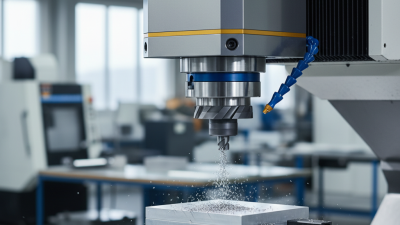
Top 10 Right Angle Milling Heads for Global Buyers?
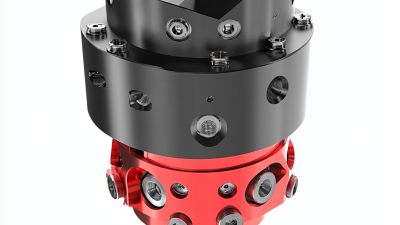
In today's competitive manufacturing landscape, choosing the right tools is crucial. The Right Angle Milling Head stands out as a vital component for precision machining. According to Dr. Alex Chen, a leading expert in machining technology, "The efficiency of a milling process can significantly depend on the choice of the Right Angle Milling Head." This highlights its importance in enhancing productivity and quality.
The Right Angle Milling Head optimizes space and enhances accessibility in machining applications. It allows manufacturers to tackle complex geometries that standard milling heads cannot. However, not all milling heads are created equal. Variations in design and functionality can affect performance. Buyers must weigh features such as rigidity, compatibility, and precision when making a decision.
Navigating the options available can be daunting. Comprehensive research is essential. Some buyers may overlook important specifications, leading to suboptimal choices. The right milling head could dramatically improve workflow, while the wrong one may hinder it. A thoughtful selection process can elevate machining capabilities and drive success.
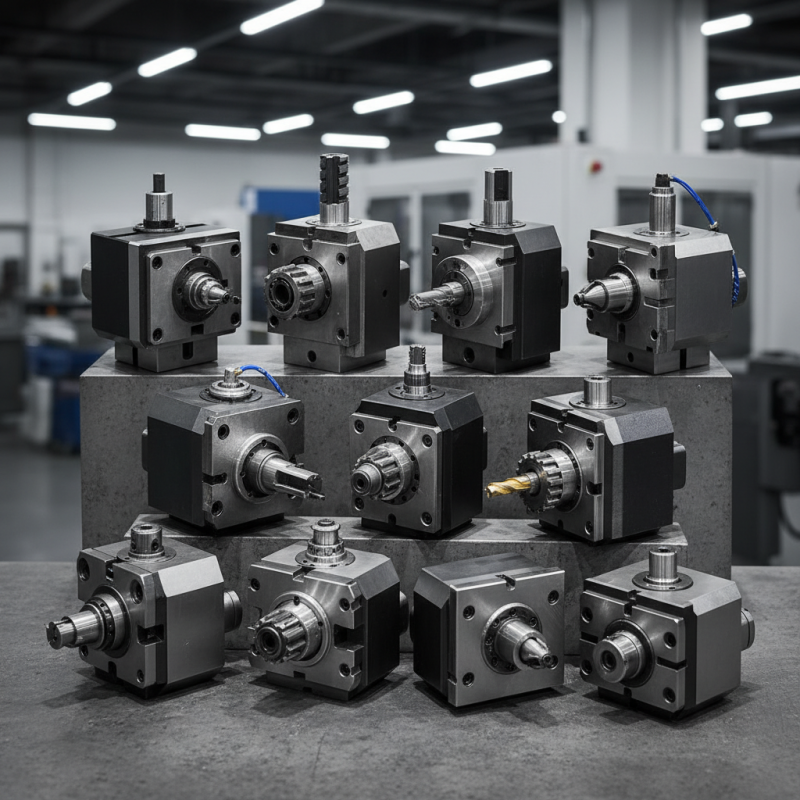
Overview of Right Angle Milling Heads in the Market
Right angle milling heads play a crucial role in machining operations. They allow for versatility in milling, enabling intricate work that standard heads might struggle with. According to a report from the Global Machine Tool Market, the demand for right angle milling heads has increased by 15% over the last two years. This is due to their efficiency in producing complex geometries and reducing setup times.
The selection of these tools can be complex. A recent analysis highlighted that right angle heads improve productivity by up to 30%. However, potential buyers must be cautious. Not all products offer the same precision or durability. Users report variations in performance, emphasizing the need for thorough research. Checking specifications against industry standards is recommended.
When choosing a milling head, consider the materials involved. For harder materials, select heads designed for high torque. Additionally, the compatibility with existing machinery is vital. Always verify connection types and sizes. It’s essential to assess the workflow requirements before making a purchase. Investing in a well-suited right angle milling head can enhance overall productivity and reduce long-term costs.
Key Features to Consider When Choosing Milling Heads
When choosing right angle milling heads, several key features stand out. One critical aspect is the construction material. Durable materials enhance longevity and performance. Look for heads made from high-quality steel or alloy. These materials resist wear and tear, ensuring reliability over time.
Another important element is the compatibility with existing machinery. Ensure the milling head fits your specific machine model. This compatibility guarantees efficient operation and reduces potential issues. The adjustment mechanism also matters. A user-friendly adjustment system simplifies changes, allowing for greater precision during milling tasks.
Consider the spindle speed and torque capabilities as well. Higher speeds can improve productivity when cutting different materials. However, excessive speed may lead to overheating or premature wear. Balancing speed and torque promotes optimal performance. Reflect on these features carefully; making an informed choice can significantly impact your milling efficiency.
Top 10 Right Angle Milling Heads: A Comprehensive Review
When it comes to right angle milling heads, understanding their features is crucial. These tools provide versatility and precision for various machining tasks. Buyers must assess their needs to choose the ideal option.
Consider the material of the milling head. Stainless steel and carbide inserts ensure durability. Additionally, compatibility with existing machinery is essential. Some heads may not fit standard setups, leading to challenges. Look for adjustable options that can enhance performance.
Tips: Ensure proper maintenance for longevity. Regular cleaning can prevent buildup. Adjust settings according to material type for better results.
It's also important to factor in the tool's weight. Heavier units might offer stability but can be cumbersome. Lightweight models are easier to handle, yet they may compromise rigidity. Balancing these aspects often requires careful thought.
Tips: Test with various setups before finalizing. Experimenting can reveal the best configuration for your specific tasks. Always seek feedback from experienced users to refine your choices.
Comparative Analysis of Leading Brands in Milling Heads
In the rapidly evolving world of milling technology, selecting the right angle milling head is crucial. A comparative analysis reveals that top brands focus on usability and versatility. Some products excel in precision. Others are known for longevity. Users must evaluate their specific needs. Not all milling heads are created equal.
When exploring options, consider the materials used in construction. Durable materials enhance performance and lifespan. Additionally, the design should support easy adjustments. This feature can significantly improve efficiency during operations. Do thorough research before making a decision. Don’t rely solely on advertisements.
Tips: Always read user reviews. Feedback from other buyers can highlight strengths and weaknesses you might overlook. Also, keep in mind the warranty. A reliable warranty can indicate the manufacturer’s confidence in their product. Finally, test the equipment whenever possible. Personal experience is invaluable in making the right choice.